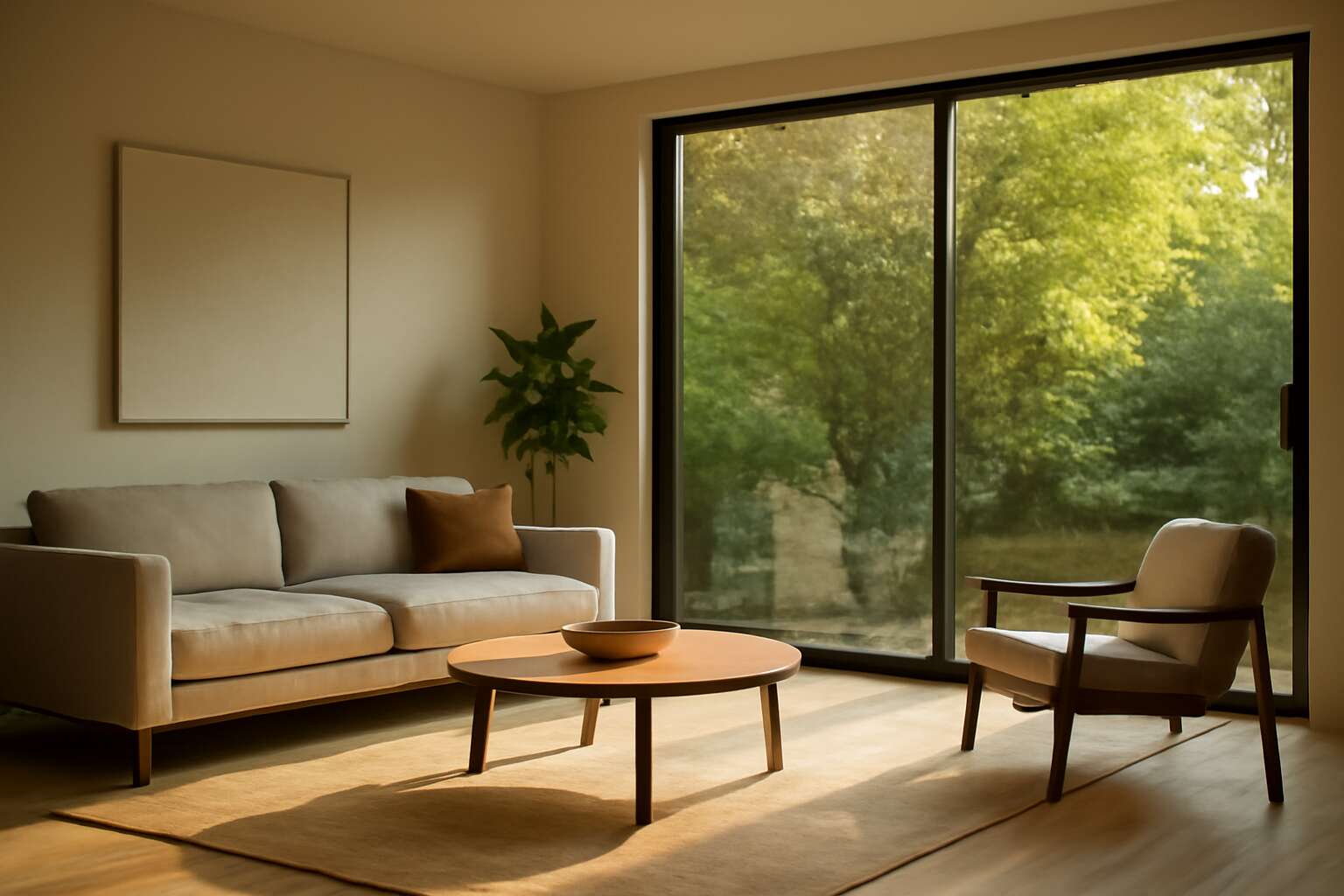
Overview of Glass Doors with Tint
Definition and key features of tinted sliding doors
Sunlight is a design asset, not a guest—smart glass and tinted sliding door solutions are reshaping homes across South Africa. A well-timed tint cuts glare while preserving your view, making rooms feel brighter and cooler. This tint isn’t merely cosmetic; it choreographs light and privacy, turning entrances into a stage for life. It invites the outdoors in while guarding living spaces from glare.
- Definition: Tinting reduces heat and glare.
- Features: UV protection, privacy levels, color options.
- Performance: tempered glass and low-E coatings.
- Design impact: frames views and enhances space.
In my experience, the right tint balances heat and visibility for SA homes. Done well, glass doors read as living art.
Common tint levels and what they imply for visibility and light
Sunlight can be a design asset when controlled, not a constant nuisance. In South African homes, a tinted sliding door turns glare into comfort and keeps interiors cooler without sacrificing the view. The right tint helps rooms feel brighter and more welcoming, almost like daylight on command. Think of it as a conversation between glass and shade—visible, but never overpowering.
Common tint levels shape visibility and light in clear ways:
- Light tint: subtle glare reduction while preserving daylight.
- Medium tint: stronger glare control and UV protection.
- Dark tint: maximum privacy and daylight reduction.
Design notes: in SA, tempered glass with low-E coatings works well; tint should harmonise with the frame and interior palette, inviting the outdoors while keeping interiors comfortable.
Best-use scenarios for residential and commercial spaces
In South Africa, heat and glare push cooling bills by up to 30%, and a single tinted sliding door can turn that brightness into comfortable daylight. This choice blends safety and aesthetics, letting you enjoy outdoors without sacrificing privacy or cool interiors.
Best-use scenarios unfold across both homes and workplaces. In residences, open-plan lounges, verandas, and kitchens that flow to gardens benefit from controlled light and reduced glare. In commercial spaces, showrooms, reception areas, and collaborative offices gain privacy and consistent daylight!
- Residential: North-facing living rooms and patio doors where glare is a constant companion, pairing heat control with a clear view.
- Commercial: Showrooms and lobbies where a calm, glare-free backdrop preserves product details and client focus.
In South Africa, tempering glass with the right tint keeps interiors comfortable while inviting the outdoors to every room.
Aesthetic and privacy considerations when tint is applied
Shadows stretch across rooms as South African sun lays its gold on glass. Heat and glare can push cooling bills by up to 30%, and the right tint turns that brightness into a tempered glow. A tinted sliding door is not merely glass; it’s a quiet guardian of daylight and mood.
The tint aesthetic carves character into space, softening the view with color that complements stone, timber, and fabric. Privacy becomes a subtle boundary rather than a barrier: deeper tints obscure interior silhouettes, while still letting in generous daylight and protecting interiors from harsh UV. The result is a graceful, almost nocturnal clarity that remains inviting by day.
To imagine the balance, consider:
- Privacy spectrum: how much interior detail remains visible
- Glare reduction and daylight quality
- Frame and hardware compatibility
In South Africa, tempering glass with tint invites the outdoors to every room while preserving calm and focus—the enduring allure of the tinted sliding door.
Benefits of Tinting for Sliding Doors
Energy efficiency and ultraviolet protection
In South Africa’s heat-soaked afternoons, glass can become a costly conductor—some homes report up to 30% of cooling energy tied to solar gain. A well-chosen tinted sliding door acts like a shield, curbing solar heat and taming glare while preserving daylight. The payoff isn’t merely comfort—it’s energy efficiency, as cooling demands drop and indoor temperatures stabilize. It also delivers UV protection, filtering harsh rays that fade fabrics and floor coverings over time!
Key benefits yield tangible savings and protection:
- Lower cooling costs due to reduced solar heat gain
- Protection for furnishings, carpets, and artwork from fading
- Less glare, creating more comfortable spaces for work and relaxation
Choosing the right tint keeps views enjoyable while extending the life of interiors, a quiet capital in any South African home or office. For sunny climates, a tinted sliding door becomes an ally, turning heat into comfort rather than excess glare.
Privacy and light control benefits
South Africa’s sun pours through glass like liquid gold, yet glare can turn a bright room into a heat trap. In heat-soaked homes, solar gain can drive cooling costs by as much as 30%. A tinted sliding door acts as a discreet shield, slicing harsh rays while preserving daylight.
Privacy and light control come with the tint. During the day, it softens visibility from street level and neighbors while letting you enjoy gentle daylight. By choosing the right tint, you can shade rooms without closing off the sky.
- Enhanced daytime privacy with maintained outward visibility
- Controlled glare and diffusion for work and relaxation
- Flexible light levels to suit moods and activities
Beyond privacy, tinting smooths the play of light, reducing hot spots and guiding daylight where welcome. In a South African home, this tint becomes a quiet partner to design—elegant, unobtrusive, and perfectly suited to everyday life.
Glare reduction for comfort in living and working spaces
“Light should warm a room, not glare it into a fever.” In South Africa’s bright hours, glare can dull comfort in living rooms and workspaces. A tinted sliding door offers a discreet shield, dialing down reflections while inviting gentler daylight. Visibility remains, mood lifts, rooms feel larger!
- Glare reduction preserves color and detail
- Comfortable viewing for screens and tasks
- Even daylight diffusion without heaviness
Beyond aesthetics, the tint guides daylight to where it’s welcome, smoothing hot spots and easing eye strain. In a South African home or office, it becomes a quiet partner—elegant, unobtrusive, and perfectly suited to daily life. It preserves outward visibility while shaping the view from inside.
Security, durability, and weather resistance considerations
‘Quiet strength is the best burglar alarm,’ a designer once noted, and a tinted sliding door embodies that restraint. In South Africa, security isn’t an accident but a design choice. The tint adds privacy and reduces glare while the glazing—laminated or tempered—teams with robust hardware and multi-point locking to deter intrusion. It adds that layer of privacy.
Durability and weather resistance follow from the frame and finish. Aluminum frames with powder coatings resist coastal salt and sun; seals stay elastic through heat cycles, and drainage channels whisk away moisture. The combination guards against warping, corrosion, and wear, ensuring a long-lived interface between indoors and outdoors despite South Africa’s capricious weather.
- Laminated or toughened glass for enhanced security
- Multi-point locking and reinforced frames
- Weather seals and drainage engineered for glare and rain
Tint Options and Glass Technology
Tint shades, reflectivity, and visual impact
The right tinted sliding door doesn’t just shade a room; it scripts the light, turning sunlit mornings into a controlled, cinematic scene. In South Africa’s fierce glare, tint shades and glass technology converge to deliver color, depth, and mood.
Options include:
- Neutral gray for balanced daylight and privacy
- Bronze and copper tints for warmth and exterior harmony
- Charcoal or deep green for maximum glare control
Glass technology goes beyond shade. Advanced coatings manage reflectivity, reduce UV transmission, and preserve interior clarity, ensuring views stay crisp even as exterior colors shift with the sun.
Tinted sliding doors aren’t just glazing; they are a quiet sentry, shaping rooms with color, light, and a touch of the uncanny.
Coatings vs films: what to choose
Color is a memory in glass. In a market that loves drama and daylight, a tinted sliding door becomes a choreography of light. South Africa’s glare is brutal, with 62% of homeowners reporting cooler, calmer interiors when tint does its work, turning sunlit mornings into cinema.
Tint options range from neutral gray for balanced daylight and privacy to bronze or copper for warmth and exterior harmony, and charcoal or deep green for maximum glare control. The choice isn’t merely aesthetic; it shapes what you see and how you feel as the sun angles shift, through a tinted sliding door.
Glass technology coatings versus films offer distinct paths.
- Coatings: embedded in glass, stronger UV control, durable glare management.
- Films: budget-friendly upfront, easier retrofit, but risk of peeling over time.
Your tinting choice becomes a quiet guardian for your view.
Low-emissivity (Low-E) and UV coatings for performance
Sunlit rooms are the theater of daily life, and the tinted sliding door sets the stage. In South Africa’s glare, glass with Low-E and UV coatings acts as a gentle shield—softening heat, preserving color, and letting daylight in with a whispered elegance.
- Solar heat control without sacrificing natural light
- UV protection to preserve fabrics and artwork
- Durability and low maintenance over years
Low-E coatings are embedded in the glass, creating a barrier that lowers emissivity and keeps interiors cooler in summer while reducing heat loss in winter. UV coatings protect furnishings and eyes.
Those who choose a tinted sliding door understand drama and practicality entwined—glare tamed, spaces softened, and a horizon that stays true as the sun climbs higher!
Interlayers, safety, and impact resistance
Sunlight in South Africa is a daily theatre; a tinted sliding door does more than shade—it tunes space, mood, and memory.
Tint Options offer a spectrum—from soft amber warmth to graphite clarity—paired with glass interlayers that boost safety and resilience. A laminated PVB interlayer helps hold glass together on impact, dampens sound, and reduces glare. UV-blocking layers protect interiors without dulling daylight.
- Laminate interlayers for shatter resistance
- Alkali-resistant coatings for durability in coastal air
- Smart tinting options that respond to light levels
Safety and impact resistance are engineered into the system with long-term performance in mind, meeting or exceeding local standards while remaining low-maintenance in South African heat and storms.
In homes and offices across South Africa, it stands as a patient observer—shaping space without shouting at the sun.
Durability and maintenance tips for tinted glass
South Africa’s mornings drench interiors in gold; a tinted sliding door does more than dim the blaze—it choreographs daylight, mood, and memory. Tint options sweep a spectrum from warm honey to graphite shadow, while the glass technology behind them is engineered to endure the country’s heat, coastal breath, and sudden storms, reducing glare without dulling the day’s clarity.
Durability is a promise kept by design. The right glass resists the assault of harsh sun and salty air, staying clear and calm in daily use. With gentle care and regular checks, its performance stays steady in the long arc of South African seasons.
- Gentle cleaning preserves coatings and keeps glare control crisp.
- Regular checks catch wear before it affects performance.
- Dust and salt residues are easier to manage when addressed early.
In the rhythm of homes and offices, this tinted sliding door remains a patient observer, shaping light without shouting.
Installation, Maintenance, and Longevity
Choosing a qualified installer and understanding permits
Across South Africa, a tinted sliding door can transform a sunlit room, cutting glare while inviting the landscape inside—like a dawn-window that guides light with quiet ceremony. Installation should begin with choosing a qualified installer and understanding the permits your municipality requires.
- Licensed glazing professional with verifiable references
- Local permit knowledge and strict adherence to building codes
- Manufacturer-certified hardware and clear warranty terms
Maintenance is straightforward: keep tracks clear of dust, wipe frames with a soft cloth, and avoid abrasive cleaners on glass. Monthly checks of rollers and seals ensure smooth operation and long-lasting performance.
Longevity follows good habits: regular inspection and timely lubrication. In SA’s varied climate, a well cared-for door continues to perform and preserve views for years, a quiet guardian against weather and wear.
Installation steps for sliding door systems
A tinted sliding door can turn a sunlit room into a living landscape, tempering glare while drawing the outside in. In South Africa, a well-installed unit can cut glare by up to a third and improve comfort from dawn to dusk. It’s not just a door—it’s a quiet steward of daylight.
Installation hinges on accurate measurement, square framing, and sealing. Professional installers balance aesthetics with performance, aligning tracks for smooth operation and ensuring hardware compatibility.
- Opening measurements and frame alignment
- Track and wheel integrity
- Weather sealing and anchoring
Maintenance remains simple: keep tracks free of dust, wipe frames with a soft cloth, and avoid harsh cleaners. Periodic checks of seals and rollers help preserve glide and keep operating quietly.
Longevity follows thoughtful care. In SA’s varying climate, a well-kept system continues to deliver clear views and dependable performance for years, making it a sound investment in comfort and curb appeal.
Maintenance routines and cleaning guidelines
Sunlight is relentless—glare can drain comfort by as much as 30% on bright SA mornings. A tinted sliding door changes that, turning glare into soft daylight. Installation hinges on exact measurements, square framing, and tight sealing, balancing aesthetics with smooth operation.
Maintenance stays simple: schedule periodic seal and roller checks, wipe frames with a soft cloth, and use mild cleaners. Avoid harsh chemicals that can degrade coatings or seals over time.
In South Africa’s variable climate, a well-cared-for system retains clear views and dependable performance for years, preserving comfort and curb appeal while protecting daylight’s gentle influence inside.
Troubleshooting common issues and signs of wear
South Africa’s bright mornings are friendlier with a tinted sliding door; glare is softened, interiors stay cooler, and views remain undisturbed. Installation hinges on exact measurements, square framing, and tight sealing to blend aesthetics with smooth operation.
Maintenance stays simple: periodic seal and roller checks, wipe frames with a soft cloth, and use mild cleaners. Avoid harsh chemicals that can degrade coatings or seals over time.
Longevity comes from vigilance. Watch for signs of wear that affect performance.
- Stiff or jittery sliding
- Visible gaps along the frame
- Condensation between panes or seal failure
- Unusual track noises or rough movement

0 Comments