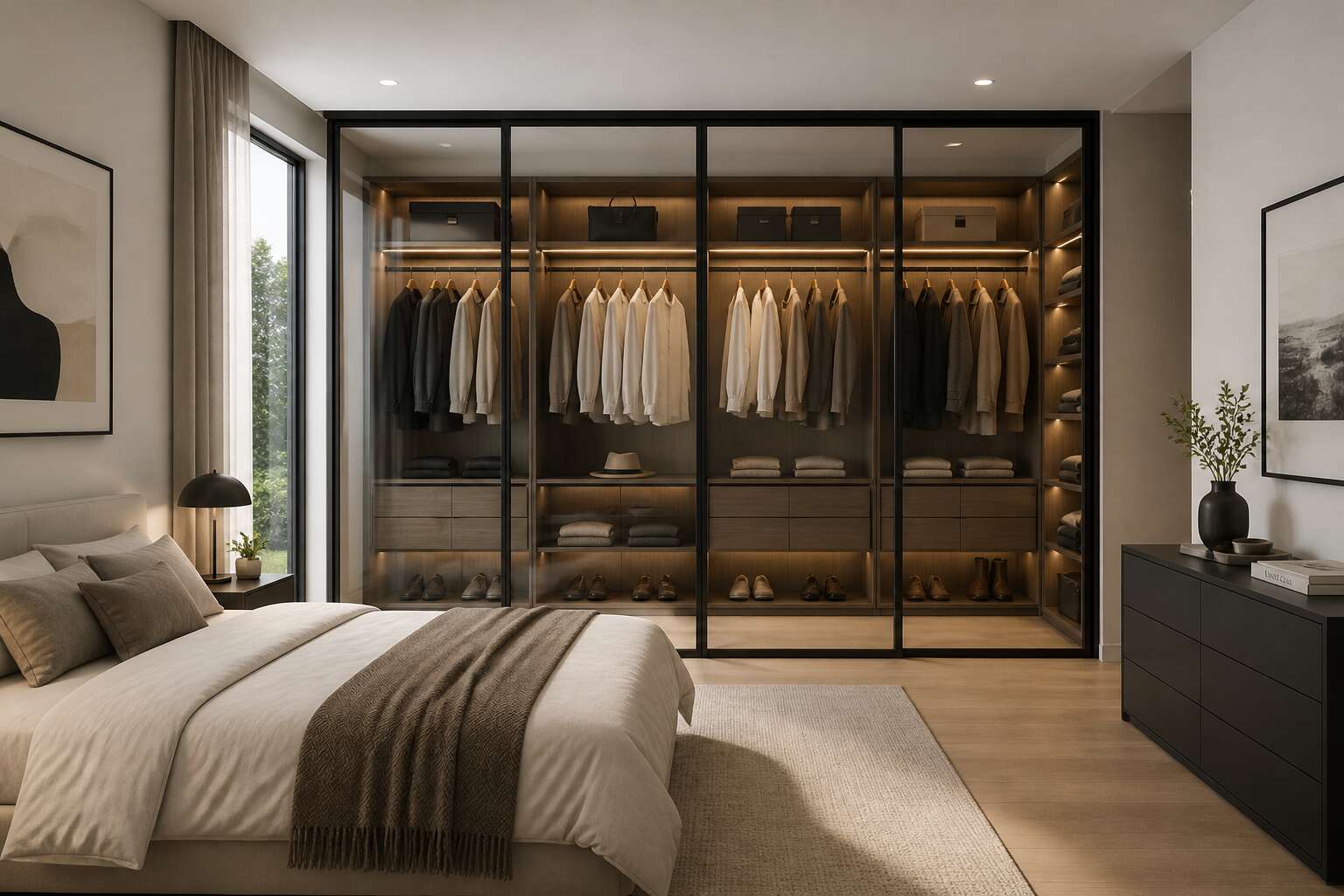
Benefits of Glass Sliding Doors for Closets
Maximizing Space and Accessibility
Space defines comfort in South African homes, and glass sliding doors for closet designs change how we use it. These installations remove the swing arc that hinged doors demand, allowing furniture to sit closer to the opening while keeping walkways clear. In bedrooms where every centimetre matters, that reclaimed floor area becomes a more liveable room.
The accessibility gains are equally significant. Glass sliding doors for closet systems glide along a track rather than projecting outward, so reaching items is a straightforward motion. No need to step back awkwardly while holding a laundry basket.
Consider what this means for daily routines:
- Retrieving clothes while carrying a stack of linen requires less manoeuvring.
- Wheelchair users face fewer barriers when reaching storage.
- Children can slide the lightweight panels open without assistance.
The result is a storage zone that works with your movements. Honestly, I find that conventional doors start to feel unnecessary once you experience this.
Enhancing Natural Light and Visibility
Sunlight in a South African bedroom is a luxury worth preserving. Opaque closet doors block that resource entirely, turning valuable daylight into a shadowy corner. Glass sliding doors for closet installations change that equation. They let the light travel deep into the room, illuminating the storage space itself. Finding a specific shirt or a pair of shoes becomes easier when you can actually see the contents without opening a panel.
This visibility transforms the daily experience of getting dressed:
– You can coordinate outfits at a glance, without pulling everything out.
– The contents become part of the room’s aesthetic, encouraging order.
– Morning routines speed up when the eye locates items instantly.
The psychological effect is subtle but real. A bright, visible wardrobe feels less like a cramped storage box and more like a curated display. The transparency invites a certain honesty into the space, making you more mindful of what you keep. In a country blessed with abundant natural light, allowing it to reach every surface of the home simply makes sense. The glass panels themselves, with their clean lines, add a layer of architectural interest that solid doors rarely achieve.
Aesthetic Appeal and Modern Design
The difference between a well appointed room and a merely functional one often comes down to its vertical surfaces. Glass sliding doors for closet installations replace a blank, opaque panel with something that carries reflection and architectural intent. In South Africa’s design culture, where indoor outdoor flow is prized, that visual continuity matters deeply.
Consider the hardware. Slim profiles and concealed tracks give the door a floating quality, while the glass itself becomes the focal point. The result is a look that feels deliberate rather than accidental.
- Frameless doors suit minimalist interiors.
- Black framed glass grounds a space with definition.
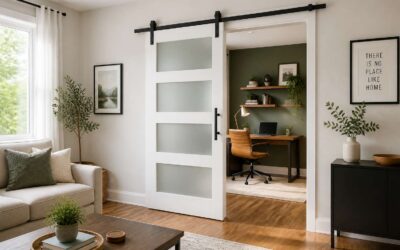
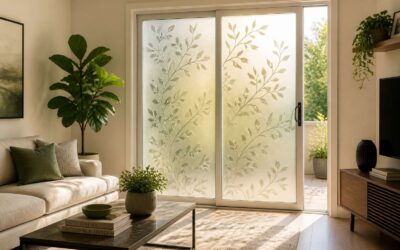
- Reeded or frosted glass offers privacy without sacrificing the modern edge.
This is a design choice that does real work. Glass sliding doors for closet designs shift the wardrobe from being a piece of furniture to a part of the architecture itself.
Increasing Home Value
The property ladder in South Africa is stacked with subtle signals of quality. Home appraisers and discerning buyers respond to evidence of considered investment, and the wardrobe often reads as a final frontier of renovation fatigue. A glass sliding doors for closet installation signals that no corner was overlooked. It suggests a seller who attended to the details that cost money and thought. This perceived premium often translates directly into a stronger asking price.
Beyond the surface impression, there is a tangible calculation at play. Local agents note that updating a tired bedroom’s storage frontage can add significant perceived value to an apartment’s square footage. The clarity of the glass allows the room to feel larger, a metric that buyers pay for.
– Frosted glass options add a layer of sophistication that reads as a high-end upgrade.
– Robust aluminium tracks reassure buyers of long term function.
– The modern look reduces the need for immediate renovations.
This is value you can touch, see, and measure in the final offer. It is an investment in permanence, a whisper of luxury that turns a simple room into a suite. The door becomes a statement of care that speaks volumes when the keys change hands.
Types of Glass Sliding Doors for Closets
Frameless Glass Sliding Doors
According to recent interior design surveys, over 60% of Johannesburg homeowners are now prioritising sleek, minimal storage solutions. Among these, frameless glass sliding doors for closet systems have become the choice for those who want to erase visual clutter without tearing down walls. These doors are crafted from toughened glass panels that slide along a discrete top-hung track, creating a flush surface that recedes into the background. This design emphasises the contents of the wardrobe, turning your curated fashion collection into a living exhibit rather than a hidden pile.
The hardware is the true marvel here. You can select from a variety of finishes to complement your existing home décor:
– Brushed nickel for a cool, contemporary edge.
– Matte black for a bold, industrial statement.
– Aged brass to add a hint of old-world warmth.
The glass itself also offers options, from ultra-clear low-iron varieties to lightly tinted bronze or smoked tones for a softer silhouette. Because there are no bulky frames jostling for attention, the visual weight of the room is significantly reduced. The operation relies on precision bearings that glide seamlessly, while the quality of the track system dictates the longevity of the mechanism. For larger openings, you might consider a dual-track configuration that offers independent movement of each panel, allowing you to access specific sections of the closet without opening the entire span. This fundamental design choice has changed how we perceive bedroom storage, merging the practicality of a custom-built closet with the refined aesthetics of a gallery display.
Framed Glass Sliding Doors
Choosing between framed and frameless systems often feels like a decision between structure and air. With framed glass sliding doors for closet units, the perimeter is encased in aluminum or steel, which adds a distinct architectural line to the room. These frames provide a robust housing for the glass, making them a pragmatic solution for homeowners with uneven walls or those who prefer a defined visual boundary. The rigidity of the frame means the door holds its shape over time, preventing any subtle racking that might affect the sliding mechanism.
The hardware options for framed units are equally diverse, but the interaction differs. You will find that the frame material determines the tactile experience of the door.
– Aluminum frames offer a lightweight feel and are resistant to corrosion in humid climates.
– Steel frames provide substantial weight and a thinner profile, which suits a more industrial aesthetic.
– Timber frames introduce a warm, organic texture that bridges the gap between contemporary glass and classic joinery.
The track system for framed doors often sits lower to the ground, which requires a more precise floor threshold. However, the glass within the frame remains the central focus, whether you choose clear panes or a textured finish for privacy. The inherent stability of a framed system allows for larger, heavier glass panels without the need for excessive hardware reinforcement. This makes them particularly effective for wide closet openings where a single, sweeping door is preferable to multiple smaller panels. The decision here often comes down to the structural character you want to introduce, as the frame adds definition to the space. For a transitional home in Johannesburg, this balance of strength and visibility is a compelling reason to opt for a framed design.
Frosted vs. Clear Glass Options
When you choose between frosted and clear glass for your glass sliding doors for closet, you decide how much of your life to reveal. Clear glass offers an unobstructed view, making it easier to grab a shirt at dawn. It also demands tidy shelves, because every wrinkle becomes part of the room. Frosted glass scatters light and softens edges, hiding clutter while still letting you sense the color of a jacket behind the pane.
For South African homes, the decision hinges on the bedroom’s orientation. A north-facing room with harsh afternoon sun benefits from frosted glass, which filters glare and protects fabrics from fading. Clear glass suits east-facing rooms where mornings bring a gentle light. The texture of frosted glass affects maintenance. Fingerprints become less visible on a matte surface, while clear glass shows every smudge and demands frequent cleaning. This matters when selecting glass sliding doors for closet installations.
Mirrored Glass Sliding Doors
Mirrored glass sliding doors for closet installations are the multitaskers of the bedroom. They replace the need for a separate full length mirror, which is useful when floor space is limited. In a Durban apartment, you can stand back, check your outfit, and close the door all in one motion.
Be warned: mirrors do not lie. That shirt you left on the floor will feature in every reflection. A grey or bronze tinted mirror softens the evidence while still letting you see what you are doing. The tint also cuts glare in rooms that get strong afternoon sun.
Consider these features when shopping:
- Safety backed glass, standard in most South African suppliers
- Aluminium or timber frames that match your skirting
- Smooth rolling tracks, a common upgrade for glass sliding doors for closet
Mirrored doors bounce available light around the room, which is a quiet win for small bedrooms. They also make the room feel deeper, a trick that costs less than knocking down a wall.
Barn-Style Sliding Doors with Glass
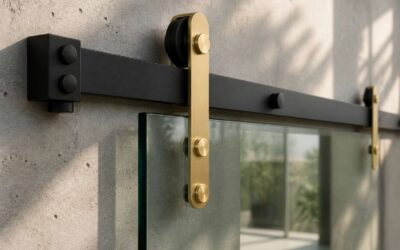
Barn-style sliding doors with glass take a different approach. They hang from an exposed track fixed to the wall above the doorway. The floor stays clear, which matters in older South African homes where standard tracks collect dust and struggle with uneven floors.
The chunky timber frame, often pine or saligna, holds the glass panel. These glass sliding doors for closet spaces bring light into the room, yet the wood keeps the rugged character intact. The barn door look suits converted warehouses and Cape Town cottages alike.
Hardware determines whether this door delights or frustrates:
- Soft-close mechanisms prevent the door from crashing against the end stop
- A floor guide keeps the panel from swinging when you brush past it
- Heavy-duty rollers handle the combined weight of timber and glass
The track must be bolted into brick or concrete, since a single panel can weigh over 40 kilograms. That requirement surprises many buyers of glass sliding doors for closet projects.
Key Considerations Before Installation
Measuring Your Closet Opening
A 3mm mistake in your tape reading might seem trivial, yet it can leave a gap wide enough to see daylight through. Precision matters before anything else when you plan glass sliding doors for closet openings.
Most openings are not perfect rectangles. The floor may dip, the header may bow, or the side jambs might lean slightly. Measure the width at the top, middle, and bottom. Measure the height on both sides and at the centre. Verify the floor is level across the threshold too.
- Check the diagonals to confirm the opening is square
- Note any skirting boards or carpets that reduce the clear width
- Record the depth of the cavity for track clearance
Even a 5mm variance out of plumb will make the panels bind. Glass sliding doors for closet systems demand accurate track alignment, and every millimetre changes how smoothly the door travels.
Choosing the Right Glass Thickness and Safety Glass
An 8mm pane of tempered glass weighs roughly 20 kilograms per square metre. That weight dictates every component of your system, from rollers to header track. Most closet installations work best with 6mm to 8mm glass. Thinner panels flex in the frame and rattle on the track. Heavier glass strains standard rollers.
Safety glass is non-negotiable in South African homes. Tempered glass breaks into small granules rather than jagged shards. Laminated glass holds together when struck. Both options protect children and pets.
When choosing glass sliding doors for closet installations, certification matters as much as thickness:
– SABS approval ensures the glass meets local safety standards
– Tempered glass handles thermal stress from afternoon sun
– Laminated glass adds security for ground floor rooms
– Polished edges reduce stress fractures during handling
The track must match the pane weight. A heavy door running on a lightweight aluminium track will bind within months. Homeowners often discover this mismatch after fitting glass sliding doors for closet openings, when the door refuses to glide smoothly.
Track and Hardware Selection
A door is only as graceful as the machinery that carries it. The track and hardware are the silent choreographers of your closet system. Choose a steel header track for spans over 2400mm. Aluminium bewilders under the same load, allowing the carriage to drift and misalign over time.
Before installation, inspect the overhead structure. A track bolted to drywall alone will fail. It requires a solid timber noggin or steel lintel to anchor the weight. The floor guide, often overlooked, keeps the door from swinging into the frame during use.
– Confirm soft-close mechanisms match the door’s mass
– Select nylon wheels with sealed ball bearings for quiet gliding
– Verify the track depth accommodates the wheel flange
– Check that the bottom guide allows for lateral adjustment
High humidity along the coast can corrode cheap rollers. Stainless steel or zinc-plated hardware resists this rust. The smooth operation of glass sliding doors for closet installations depends on this precision. A poorly chosen track turns a luxury item into a daily annoyance. Good hardware disappears into the architecture, providing silence and stability for decades.
Budget and Cost Factors
A quotation for glass sliding doors for closet installations in South Africa can vary by as much as a coastal property’s insurance premium. The price is not merely about the glass itself. It includes the steel track, the rollers, the soft close mechanism, and the labour of a carpenter who understands plumb lines. One homeowner’s bargain becomes another’s maintenance headache.
Consider these cost drivers before signing:
- The type of glass, from 6mm annealed to 10mm toughened
- The finish of the aluminium frame, anodised or powder coated
- The delivery distance from the supplier in Johannesburg or Cape Town
- The complexity of the opening, such as an uneven ceiling
The final figure for glass sliding doors for closet projects often surprises those who assume a simple pane and roller system. Site conditions dictate the true expense, and a honest installer will quote after measuring, not from a brochure.
DIY vs. Professional Installation
Most homeowners underestimate the weight of a 10mm toughened glass pane. It can test the patience of two people and is unforgiving when lifted at the wrong angle. That weight alone should give you pause.
Before installing glass sliding doors for closet, measure the opening for square rather than trusting the width and height alone. A floor that slopes by a few millimetres will throw the track out of alignment. An honest carpenter checks the header, the jamb, and the subfloor before promising a smooth glide.
The DIY route tempts the confident. It works if the opening is true and the hardware is premium. Yet a professional installer brings a spirit level, a grinder for adjustments, and years of experience with glass sliding doors for closet systems. They see problems before they happen!
I would ask myself three questions:
- Is the ceiling line perfectly straight?
- Can you handle the glass without chipping the edges?
- Will a mistake cost more than the labour you saved?
Maintenance and Cleaning Requirements
The precision required for fitting glass sliding doors for closet systems extends beyond the track. A common oversight is ordering the glass before the wall paint and floor finish are finalised. Carpet thickness, especially the plush underlay popular in South African homes, can reduce the clearance for the bottom guide. If the roller wheels are set too low, they will grind against the pile. Conversely, setting them too high creates a gap where dust and lint accumulate visibly against the threshold. Measure the finished floor, not the subfloor, to avoid this adjustment headache.
Once installed, the maintenance routine is simpler than many expect, but it demands consistency. Toughened glass hides smudges well until the light hits it at an angle. A microfibre cloth and a standard ammonia-free glass cleaner are sufficient for the panes. The aluminium tracks are where the real work lies. A vacuum with a narrow nozzle should run along the bottom rail once a fortnight to remove hair and grit. Spray silicone lubricant on the rollers every few months keeps the motion quiet. Here is what you should inspect during a routine clean:
– Roller wheels for wear or cracking
– The bottom guide channel for compacted dirt
– The nylon stoppers at the track ends for tight screws
The climate in coastal regions like Durban can cause salt air to accelerate corrosion on cheap hardware. A thin film of silicone grease on the exposed metal parts prevents this. For homeowners with the mirrored variant, avoid abrasive cleaners altogether. The reflective backing is delicate and scratches permanently. When wiping down the top track, use a step ladder and a dry cloth. Water dripping into the header can rust the suspension system over time, leading to a rough glide that eventually damages the glass sliding doors for closet panels.
Design Ideas and Styling Tips
Pairing with Lighting and Interior Organization
One illuminating study from the South African Institute of Interior Design suggests that layered lighting in a dressing area cuts morning indecision in half. When I install glass sliding doors for closet, I always recommend combining a warm ceiling spot with a slim LED strip along the top track. This creates a soft wash across folded garments and shoe racks.
For interior organisation, consider these deliberate choices:
- Use woven baskets to mask clutter behind clear glass.
- Arrange hangers by colour spectrum for visual rhythm.
- Install pull out tie and belt racks near the lower rail.
The transparency of glass sliding doors for closet demands order, yet a few brass hooks and mirrored trays add personality without noise. Place a dimmer switch within reach to shift from bright dressing to gentle evening retrieval.
Color and Finish Coordination
When styling a dressing space, the finish of your glass sliding doors for closet should echo the room’s existing metalwork. Brushed bronze handles and hinges create a warm counterpoint to cool grey walls, while matte black frames anchor a minimalist scheme. I often look at the floor first. Oak or screed tones dictate whether a door should disappear into the background or become a focal point.
- Track finishes matching curtain rods create a unified line.
- White frames blend seamlessly with plastered walls.
- Dark anthracite tracks against pale wardrobes add definition.
Paint colours shift how the glass reads. A deep forest green wall behind a clear panel makes the closet recede into the room. In Cape Town’s coastal light, brushed stainless steel never feels cold. The goal is visual consistency across surfaces.
Adding Privacy with Film or Textured Glass
Privacy is a commodity in shared bedrooms. Frosted film costs a fraction of replacing the panel and turns transparent glass sliding doors for closet into a soft barrier. Textured glass achieves the same effect permanently, with acid etching suited to humid coastal cities like Durban, where film may peel.
Assess how much visibility you actually need. A dressing area might demand full concealment when guests are over, while a walk-in wardrobe benefits from partial obscurity during daily use.
- Frosted film: removable and budget friendly
- Acid etched glass: permanent and elegant
- Decorative vinyl: patterned and contemporary
Glass sliding doors for closet work best when they serve the room’s purpose, not just its style.
Common Mistakes to Avoid
Overlooking Door Swing and Space Planning
Many homeowners focus on the glass itself and forget that the panels must travel somewhere. A glass sliding doors for closet system requires clear wall space on either side of the opening. If a wardrobe, plug point, or curtain rail sits in that path, the door cannot fully retract, and you lose the accessibility you installed it for.
Measure the full travel distance, not only the door width. This is the most overlooked aspect of space planning. Also consider what happens inside the closet. Deep shelves or hanging rods can interfere with the track if the door tilts during installation.
Common oversights include:
– Not accounting for skirting boards that reduce the effective opening
– Positioning the track too close to a ceiling light fitting
– Forgetting that the floor must be level for smooth rolling
The result is a door that works on paper but fails in daily use. Planning the swing, or lack of it, before ordering saves costly adjustments later.
Ignoring Weight and Structural Support
Glass sliding doors for closet systems are heavier than they appear. A single 8mm tempered panel can weigh over forty kilograms. That weight transfers entirely to the track and the supporting wall. If you fix the track to plasterboard without a backing plate, the door will pull loose within weeks.
Common mistakes include:
- Skipping the load calculation for the wall
- Using a track rated for half the actual panel weight
- Overlooking a sagging ceiling or uneven header
The structural support is the hidden variable. A builder may need to confirm whether a steel spreader bar is required. Your chosen glass sliding doors for closet must match the hardware’s static load rating. Ignoring this step produces a door that fails safely, which means it falls.
Selecting the Wrong Glass Type for Privacy
The closer you are to your wardrobe, the more unforgiving the light becomes. Clear glass at 8mm thickness turns a dressing nook into a stage show for anyone across the hallway. Privacy for a closet is not about hiding everything, it is about controlling what the eye catches during a hurried morning routine.
Selecting the wrong glass type for privacy defeats the purpose of the entire installation. Frosted panels obscure shapes but allow vague silhouettes to pass through. Tinted glass offers seclusion during daylight hours, yet reverses completely at night when interior lighting wins. Mirrored glass solves privacy with a reflection, but only if the mirror finish faces the room and the backing remains intact.
Common material failures include:
– Acid etched glass applied only on one side, leaving the rest exposed
– Film overlays that peel after a few humid summer months
– Laminated layers that separate under sustained Cape Town heat
The textured surface should run its full length, not stop at the handle line. A gap at the top or bottom creates a sightline that ruins the illusion. For a South African home where load shedding often leaves rooms dark, the glass sliding doors for closet must hold their privacy effect without relying on artificial lighting. Match the opacity to the wall thickness and the ceiling height. The wrong choice produces a door you avoid opening, which means the structure fails its purpose.
Neglecting Hardware Quality and Alignment
The most bewitching part of a glass sliding doors for closet system is the panel itself, but the hardware is the real protagonist. A door that glides like a dream on day one can turn into a reluctant, screeching beast within a year. This has nothing to do with the glass. It has everything to do with the rollers, the track, and the alignment that holds the whole operation together.
A common frustration in South African homes is the subtle shift in a door’s behavior after winter. The track expands or contracts, the floor settles, and suddenly the alignment is off. Cheap gear makes this worse. Low quality rollers fail under the constant weight, and a misaligned track forces the door to drag, which eventually chips the glass edges.
– Top hung systems carry the weight and fail silently if the bracket is underrated for the door size.
– Bottom roller systems collect dust and hair, causing the wheels to seize and the door to jump off track.
– Track brackets that are not fixed into a solid support will sag, creating a permanent slant that no adjustment can fix.
A rail full of sand from a coastal breeze is a common enemy that no amount of precision engineering can overcome without regular care. Before installation, check that the track length accounts for the full opening width plus the door thickness. An aluminium track is a solid choice for our climate, but it must be shimmed level over its entire run. The result is a glass sliding doors for closet that persists in its function, without requiring your Sunday afternoon to be spent coaxing it back onto its path. Hardware is the silent contract between you and your wardrobe. If you break it through ignorance or thrift, the door will remind you every single day.

0 Comments