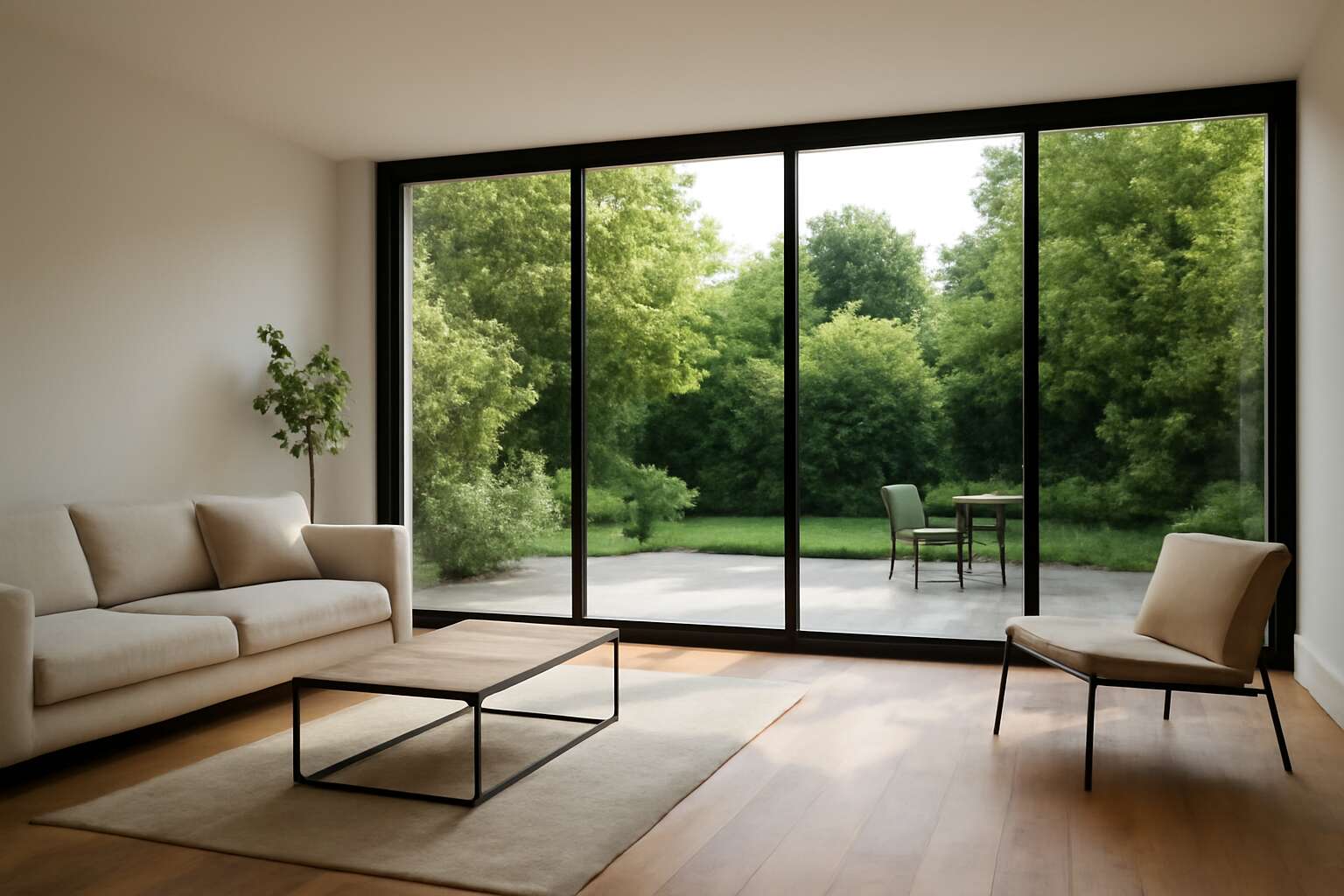
Sliding Door System Styles and Frameworks
Styles Overview and Aesthetics
Light is the quiet negotiator of space, and sliding door design makes it negotiate with ease. One Cape Town studio notes that doors should “stretch the room rather than block it.” With a single glide, a dining area becomes a veranda, a kitchen opens to a garden, and moods shift with the day, season, and sun—an architectural breath that invites conversation rather than containment.
Sliding door system styles and frameworks hinge on track engineering, frame materials, and hardware finesse. The choice of sliding door design influences light behavior and interior acoustics, from discreet pockets to frameless glazes that savor uninterrupted sightlines. The following styles illustrate the field:
- Pocket sliding doors
- Frameless glass sliding doors
- Bi-parting sliding doors
- Corner sliding systems
Aesthetics balance color, texture, and climate resilience. In SA homes, tempered finishes and energy-conscious glass let form meet function, ensuring the design feels intimate and enduring.
Frame Materials and Finishes
In sliding door design, the frame is not merely a skeleton but a conductor of light, air, and season. The choice of material carves the silhouette, guiding sunbeams to dance along the floor and steering breezes with graceful control. In South African homes, aluminium offers slender sightlines and weather resistance; timber nourishes texture and acoustic warmth; fibreglass blends durability with a quieter glide. The finish seals performance and mood, proving the frame is as much a palette as a structure.
- Aluminium frames with powder-coated or anodized finishes.
- Timber frames in warm veneers.
- Fibreglass-reinforced frames for coastal resilience.
- Timber-aluminium hybrids for balance.
Beyond the frame, hardware and track engineering complete the system, shaping how smoothly the door travels and how sound settles or slips away. Finishes—powder coats, veneers, or glass—link exterior weather to interior tone, ensuring it remains a graceful threshold, not a barrier.
Track Systems and Operation
Light travels differently when a door slides rather than swings. Sliding door design invites air and sun to trace deliberate paths, turning thresholds into soft horizons. In South African homes, this approach links interior mood with exterior climate, letting rooms breathe while preserving privacy and security.
Track systems and operation shape every glide. From pocket doors that vanish into walls to bottom-rolling tracks, hardware becomes the quiet conductor of daily flow. I tailor the hardware to your space, ensuring the glide remains a whisper.
- Top-hung configurations for light, expansive doors
- Bottom-rolling tracks for coastal resilience
- Pocket doors for seamless, space-saving entrances
Maintenance keeps the motion trustworthy: clean tracks, aligned seals, smooth runners. The result is a theatre of air, light, and view that quietly cooperates with daily life.
Hardware and Security Features
Space speaks in light and shadow, and sliding door design gives it a voice. A designer once whispered that the threshold is a living horizon, and in South African homes that horizon doubles as a climate handshake between indoors and out.
Beyond beauty, the framework breathes. Hardware choices shape the glide, control privacy, and deter intruders without shouting. For coastal bars or sunlit lounges, select systems tuned to humidity, wind loads, and the cadence of daily life, keeping doors quietly reliable.
- Multi-point locking with anti-lift bolts
- Reinforced frames and tamper-resistant fasteners
- Concealed hinges and weatherstripping with edge guards
Every detail whispers a narrative of air, light, and security—quietly, but with authority.
Optimizing Space, Light, and Flow
Maximizing Natural Light
Sunlit rooms in South Africa feel larger and more inviting—proof that sliding door design can transform a space. Studies show rooms with expansive glass read up to 25% more spacious, as daylight spills across walls and floors with a quiet, confident grace.
To optimize space, light, and flow, choose slim-profile frames that disappear when opened and align doors with the natural rhythm of daily life.
Here are practical ways to maximize natural light and maintain flow:
- Choose frames with slender mullions to preserve sightlines and keep interiors airy.
- Position openings to create a direct, intuitive path between living areas and outdoor spaces.
- Pair glass with light-coloured finishes to bounce daylight deeper into rooms.
With thoughtful design, a home can feel open and connected—without sacrificing privacy or climate comfort. I’ve seen daylight reshape mood and flow, turning ordinary rooms into gatherings of light and air.
Space Saving and Room Layout
The rooms that feel expansive are not the largest on plan, but the ones that invite the eye to travel. In today’s homes, sliding door design can trick the meter of space, with studies hinting that properly placed glass reads up to 25% larger than its walls would suggest.
To optimize space, light, and flow, position openings for intuitive paths between living areas and outdoor spaces. Think slender frames that stay out of the way and track systems that glide with whisper-quiet competence.
This is where sliding door design shines, offering gentle possibilities—from concealed pockets to graceful folds—that let daylight glide through with ease.
In a South African home, careful layout and warm finishes turn transitions into living poetry, turning corners into inviting alcoves where daylight travels and privacy remains intact.
Access and Outdoor Integration
Light is the currency of good spaces; properly placed glass can read up to 25% larger than its walls. sliding door design reveals its quiet arithmetic, turning thresholds into invitation rather than barrier.
To optimize space, light, and flow, position openings for intuitive paths between living areas and outdoor spaces. Think slender frames that stay out of the way and track systems that glide with whisper-quiet competence. This approach keeps rooms generous without expanding the plan on paper.
This is where the concept shines, offering daylight-friendly transitions from lounge to patio while preserving privacy in a bustling South African home.
- Seamless sightlines that invite outdoor living
- Whisper-quiet operation for daily use
- Warm finishes that echo South African climates
Safety Considerations for Families
In South Africa, a doorway that breathes with light can make a room feel up to 25% larger. This magic lives in the rhythm between wall, glass, and frame—the backbone of sliding door design. When openings flow intuitively, spaces stay generous even as life buzzes.
Safety for families is a quiet design rule. Consider these high-level features that support everyday use:
- Finger-pinch protection along edges
- Low-profile thresholds with anti-slip surfaces
- Laminated or tempered glass with safety film
These choices keep flow intact in bustling homes, letting light roam freely while little feet move confidently.
Glass Options, Insulation, and Performance
Glass Types and Privacy Levels
In sliding door design, glass options shape how rooms breathe and how privacy unfolds. A South Africa study notes energy savings can reach 30% with the right glazing and insulation. Here are options that balance light, heat, and security:
- Low-emissivity coatings for heat control
- Laminated safety glass for durability
- Tinted or reflective glass to reduce glare
- Frosted or decorative glass for privacy
Insulation advances keep interiors comfortable year-round. Look for double glazing with argon fills, warm-edge spacers, and well-sealed frames. Privacy can be built in through coatings and tints that cut glare without dulling daylight.
Performance glass types align with privacy levels, offering solar-control, acoustic dampening, and safety. Laminated or frosted options deliver discretion while preserving the view, a nuanced edge to sliding door design.
Thermal Performance and Energy Efficiency
In South African homes, sliding door design can turn sunrise into warmth and daylight into energy savings. The right balance of glass and enclosure lets rooms breathe, inviting the outdoors in while keeping the chill at bay. Glass options, insulation, and performance work in concert to balance light, heat, and security, shaping spaces that feel both open and safe.
Glass options determine how light travels through the doorway—how glare is softened and privacy preserved without sacrificing the view. A thoughtful mix of transparency and tactility creates rooms that feel connected yet comfortable.
- Diffuse daylight across living spaces
- Maintain privacy while preserving openness
- Prioritize safety with layered construction
Insulation advances keep interiors comfortable year-round. Look for proven assemblies, tight seals, and frames designed to resist drafts. In our diverse climate, enhanced thermal performance reduces energy use and sustains comfort from hot afternoons to cool evenings. Such performance metrics—thermal performance and energy efficiency—guide every decision.
Sound Insulation and Acoustic Comfort
Across South Africa, the right sliding door design can trim energy bills by up to 25% in summer, turning sunrise into warmth and daylight into comfort. Glass options determine how light moves—softening glare, preserving privacy, and keeping the view. A careful balance invites the outdoors in while maintaining interior calm.
- Low-E coatings reduce heat transfer while preserving daylight.
- Laminated glass adds strength and dampens noise.
Insulation advances keep interiors comfortable year-round. Look for tight seals, proven frames, and draft-resistant thresholds. In South Africa’s varied climate, solid insulation lowers energy use and sustains comfort from hot afternoons to cool evenings.
Performance sound insulation and acoustic comfort come from layered design—between panes, through frames, and at door meets frame. Laminated interlayers and precise seals soften street noise, letting evenings feel peaceful and spacious.
Glazing Maintenance and Clarity
Glass options shape the mood of space in sliding door design, guiding daylight while guarding privacy. In SA homes, the sun is a currency of comfort—modern glass can trim cooling needs by a quarter. Low-E coatings curb heat transfer while preserving daylight, and laminated glass adds strength and dampens noise. A whisper of glass holds sunrise within reach, inviting the outdoors in while keeping interior calm.
Insulation hinges on tight seals, smart frames, and resilient thresholds. In South Africa’s varied climate, note these characteristics:
- Low-friction, weather-tight seals
- Thermal breaks in frames
- Draft-resistant thresholds
Maintenance and clarity follow a simple rhythm: clean regularly with non-abrasive cleaners, inspect seals for wear, and address condensation promptly. When cared for, performance glazing remains lucid and quiet, letting interiors feel spacious and calm, no matter outdoors’ tempo.
Installation, Fit, and Maintenance Best Practices
Pre-Installation Planning and Measurements
Great sliding door design isn’t just about a flashy pane; it’s the passport to an indoor-outdoor life that keeps SA homes comfortable no matter the breeze. “A door should be a seamless transition,” quips a designer, and suddenly the lounge becomes a stage for sunset elegance.
Pre-Installation planning and measurements matter, especially with South Africa’s sun angles, humidity, and wind in play. Opening geometry, framing, and seal options shape both budget and performance long before a single screw is turned.
Installation and fit hinge on precise alignment and track integrity. The right crew will assess frame square, hardware compatibility, and door travel—ensuring a smooth, quiet glide across seasons and spaces.
- Opening geometry and frame compatibility
- Seal and drainage considerations
- Track alignment and balance
Maintenance best practices keep sliding door design performing. In SA homes, periodic inspection of seals, rollers, and tracks, along with gentle cleaning to fend off dust and humidity, helps maintain clarity and calm in daily use.
Site Preparation and Handling
Sunset becomes an event the moment a sliding door design sighs shut. “A door should be a seamless transition,” a designer notes, and the room breathes easier as light and air negotiate a quiet truce.
Installation and fit hinge on precise alignment and track integrity. For sliding door design, the chosen crew checks frame square, hardware compatibility, and smooth door travel—delivering a glide that disappoints no season.
Site preparation and handling set the stage. Clear access, surface protection, and coordinated teamwork ensure the panel arrives unscathed and aligned with the opening.
- Access and level surface planning
- Protection for floors and finishes
- Cooperation with the installation team
- Mindful handling of large panels
Maintenance best practices keep sliding door design performing: inspect seals, rollers, and tracks, and clean gently to fend off dust and humidity. The result is daily clarity and calm, season after season.
Maintenance Routines and Longevity
When the installation window arrives, the artistry of sliding door design reveals itself in frame squareness, track integrity, and whisper-soft travel. A precise setup means a door that glides with confidence rather than friction, delivering clean lines and seals that greet the room with a quiet, South African sun.
- Inspect seals, rollers, and tracks quarterly for wear or misalignment
- Clean tracks with a soft brush and mild detergent to curb dust
- Lubricate rollers and hinges with an approved product; avoid petroleum-based greases
- Seasonally check hardware security and replace worn components promptly
With routine care, your sliding door system remains resilient through South African humidity and heat, maintaining a calm entrance that respects both design and daily living.
Repair and Replacement Considerations
Installation begins long before the door meets the frame. In sliding door design, precision is the compass: a door that sits true, tracks that admit soft motion, and panels that greet the room with a calm, sun-washed line. The result is an entrance that feels engineered by wind and light.
Fit and maintenance best practices rely on a balanced approach—respect for the product, awareness of South Africa’s humidity and heat, and professional evaluation rather than guesswork. Repair and replacement considerations center on seal integrity, track wear, and hardware compatibility over time.
- Track condition and frame plumbness
- Seals, weather performance, and glazing
- Warranty coverage and serviceability
Keep in mind that upkeep is a narrative of resilience; when components show fatigue, planning for refresh or upgrade preserves the beauty and performance of your sliding door design, ensuring a long, confident welcome inside your home.
Design Trends, Materials, and Smart Features
Trending Materials and Finishes
Across South African homes, sliding door design feels less like a barrier and more like a portal. Designers chase floor-to-ceiling glass and ultra-slim frames that blend indoors with outdoors, keeping security intact. Biophilic textures and earthy tones turn verandas into sunlit living spaces.
Materials and finishes shape climate resilience. Aluminum frames with durable powder coatings offer longevity, while timber-look composites add warmth with minimal upkeep. Glass choices—low-E and privacy laminates—balance daylight, glare, and views.
- Powder-coated aluminum in slate, bronze, or sage
- Timber-look composites that resist warping
- Low-E glazing with UV control and privacy laminates
Smart features complete the enchantment, with motorized tracks, occupancy sensors, and app control that adapt lighting and temperature. In SA homes, this harmony of automation and shading elevates everyday living.
System Types: Sliding, Pocket, and Bi-Fold
Sunlight is the constant in South African homes, painting verandas with possibility and inviting open living. Designers chase floor-to-ceiling glass and slender profiles that soften boundaries while keeping security near. The sliding door design reads as a poem in glass and air, turning mornings into living light.
- Sliding
- Bi-Fold
Materials follow the mood: powder-coated aluminum in slate, bronze, or sage; timber-look composites bring warmth with minimal upkeep; Low-E glazing tames glare and preserves privacy.
Smart features elevate daily life—motorized tracks, occupancy sensors, and app control synchronize shade, climate, and light. In SA homes, automation and shading compose a seamless, elegant rhythm.
Smart Home Integration and Automation
In South Africa, daylight governs mood—and up to 70% of the perceived space in many lounges hinges on it. That is why sliding door design is less a flourish and more daily theatre, turning verandas into rooms with a breath of breeze and a glint of glass.
Design trends tilt toward floor-to-ceiling glass and slender profiles that soften boundaries without compromising security. Materials lean recyclable and low-maintenance, with finishes that resist wear while inviting touch—no-nonsense durability with a wink.
- Seamless shade integration for glare control
- Edge-to-edge glazing with thermally broken frames
- Smart hardware that harmonizes access and security
Smart features elevate daily life—motorized tracks, occupancy sensors, and app control that synchronize shade, climate, and light. Automation and shading compose a seamless rhythm in SA homes.
Sustainability and Durability Choices
Daylight is a silent conductor, and in South Africa it choreographs mood with astonishing clarity—up to 70% of how a space feels. Sliding door design leans into that theatre, favoring floor-to-ceiling glass and slender frames that invite the breeze while keeping security steadfast.
Materials follow a creed of recyclability and ease. Recycled aluminium profiles, powder-coated finishes, and glass with enduring clarity promise a look that ages gracefully. Edge-to-edge glazing and thermally broken frames reduce heat and wear, delivering durability that invites touch.
Smart features weave life into daily rhythms—motorized tracks, occupancy sensors, and app control that harmonizes shade, climate, and light. These choices ensure the door remains a reliable companion, blending quiet engineering with daylight-wisdom in SA homes.

0 Comments