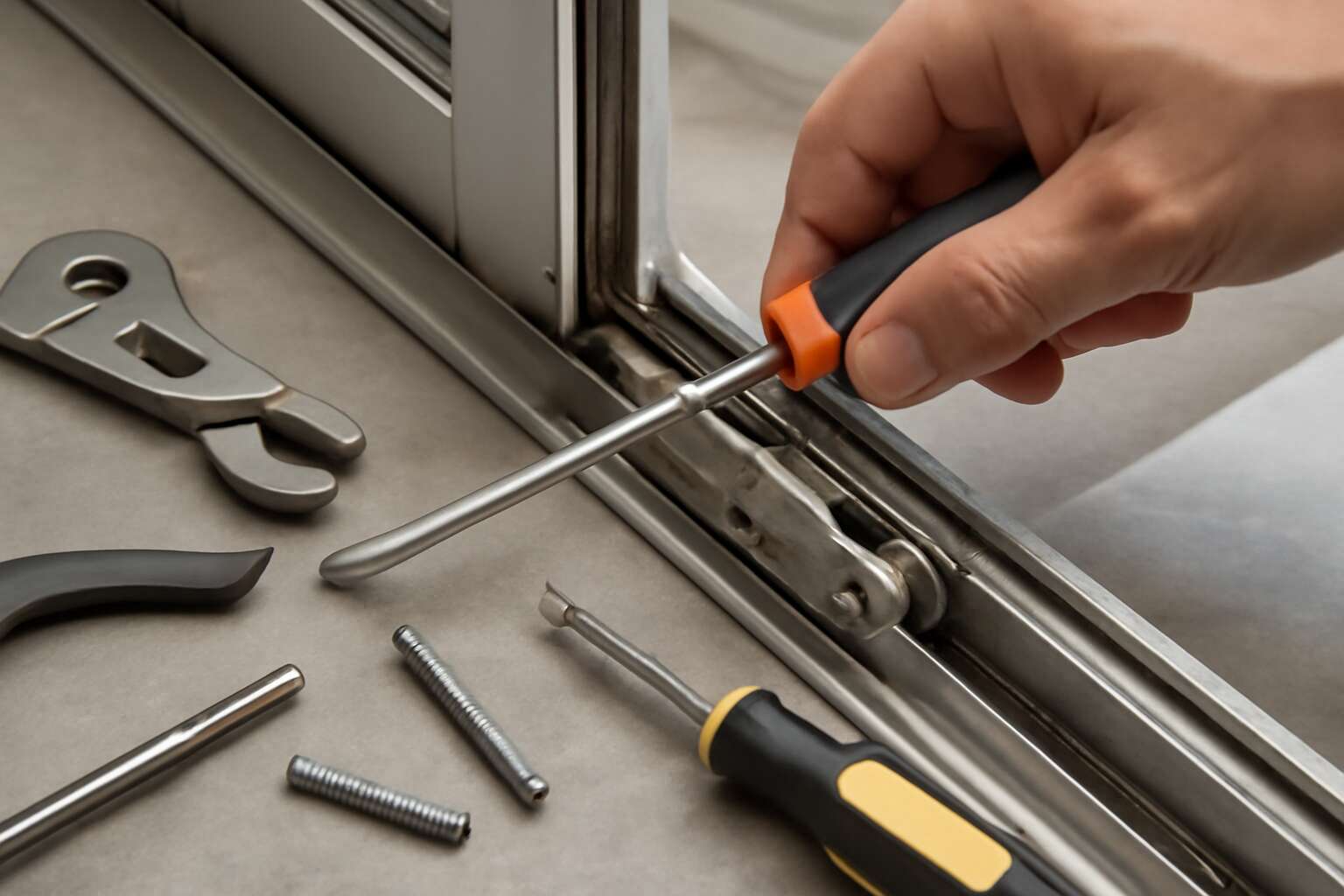
Common Causes of Sliding Door Malfunctions
Track Obstructions and Dirt – Identifying debris and dirt buildup that hinder door movement
In the silent dance of a sliding door, the rhythm is often disrupted by unseen foes—track obstructions and dirt, the silent saboteurs of smooth operation. A staggering 70% of sliding door malfunctions stem from debris that clings stubbornly to the track, like unwelcome guests refusing to leave. When dirt and particles accumulate, they form an abrasive barrier, causing the rollers to grind and falter, transforming a seamless glide into a sluggish crawl.
Recognizing these culprits is the first step on the journey to how fix sliding door issues. Carefully inspect the track for tangled hair, dust, or tiny stones hiding in the crevices. Sometimes, a gentle tug reveals a stubborn pebble or a clump of dirt that’s obstructing the way. Regular maintenance keeps these intruders at bay, ensuring the door’s delicate ballet continues uninterrupted. Without this vigilance, dirt becomes an unforgiving obstacle—an unspoken barrier to effortless movement, whispering that it’s time for a thorough clean to restore harmony to your sliding door’s glide.
Misaligned Rollers – Understanding how roller misalignment affects sliding smoothness
Among the myriad of issues that plague sliding doors, misaligned rollers often remain hidden culprits behind stubborn sticking or uneven movement. When rollers lose their proper alignment, the door’s delicate balance is thrown into chaos, transforming what should be a smooth glide into a jerky, unpredictable motion. In fact, misaligned rollers can cause the door to derail entirely, risking further damage if left unaddressed.
Understanding how to fix sliding door problems begins with recognizing the telltale signs of roller misalignment: uneven gaps, difficulty opening or closing, and unusual noises. This issue often stems from natural wear and tear, or accidental bumps that shift the rollers out of their designated track.
For those seeking the answer to how fix sliding door issues caused by misalignment, it’s crucial to examine the roller assembly. Sometimes, a simple adjustment can restore harmony, but other times, a full replacement is necessary. When inspecting, look for:
- Worn or flattened rollers
- Loose screws or brackets
- Tracks that are bent or warped
By addressing these elements with precision, you can bring your sliding door back to its silent, effortless glide. But beware: neglecting roller misalignment can lead to further complications, emphasizing the importance of early detection and expert intervention. Knowing how to fix sliding door issues related to roller alignment ensures your door remains both functional and aesthetically pleasing, no matter what challenges arise.
Damaged or Worn Rollers – Recognizing signs of roller wear and tear
Sliding doors are convenient but prone to malfunction over time. One of the most common issues is damaged or worn rollers. When rollers deteriorate, the door’s smooth glide turns into a grinding or sticking motion. Recognizing the signs early can save you from costly repairs. Look out for uneven gaps between the door and frame, or listen for unusual creaking sounds during operation. These are clear indicators that your rollers need attention.
Worn rollers often appear flattened, cracked, or chipped. Over time, constant use and exposure to elements can accelerate this wear. Loose screws or brackets are another red flag, as they compromise the roller’s stability. Sometimes, the rollers may even come off their track entirely. Addressing these issues promptly helps prevent further damage and simplifies the process of how fix sliding door problems effectively.
Track Damage or Bending – Assessing the condition of the track for dents or bends
Sliding doors are the portals to seamless elegance, yet even the most enchanting gateways can falter when their tracks are compromised. Among the lesser-known culprits, track damage or bending can turn a graceful glide into a frustrating grind. When the track becomes dented or warped, the door’s harmony is disrupted—causing it to stick or jump out of alignment. These anomalies often develop quietly, with minor dents or bends gradually morphing into major obstructions.
Inspecting the track is crucial—look for any irregularities that could hinder the door’s movement. Sometimes, a simple visual check reveals a bent section or a dent that’s out of place. If the track is bent, it can be gently realigned using appropriate tools, but in more severe cases, replacing the entire track might be necessary. Remember, a warped track is not just an annoyance; it’s a sign that the door’s mechanism is under stress, and addressing it early can prevent further damage.
- Assess the track for visible dents, bends, or warping.
- Check if the track is level and properly secured to the frame.
- Replace or repair damaged sections to restore smooth operation.
Understanding the condition of your sliding door’s track can be the key to how fix sliding door problems effectively, ensuring your entryway stays both functional and enchanting.
Locking Mechanism Issues – Troubleshooting faulty locking systems that prevent sliding
Unlocking the mystery behind stubborn sliding doors often reveals a deeper, more intricate labyrinth of mechanical frustrations. Locking mechanism issues are among the most perplexing, quietly undermining the smooth operation of your entryway. When a sliding door refuses to open or close, it’s tempting to attribute the problem to mere dirt or track misalignment. Yet, the root often lies in a faulty lock that’s jammed, misaligned, or worn out, disrupting the entire system’s harmony.
Troubleshooting how fix sliding door problems related to locking mechanisms involves a meticulous inspection of the latch, handle, and locking components. Sometimes, a simple adjustment or lubrication restores function; other times, a complete replacement of the lock assembly is necessary.
For effective repair, consider these essential steps:
- Check for debris or obstructions within the lock that could be impeding movement.
- Ensure the lock aligns perfectly with the strike plate—misalignment here is a common culprit.
- Inspect the lock’s internal mechanism for signs of wear or corrosion, which may necessitate replacing the entire unit.
Understanding the delicate interplay of these elements reveals why addressing lock issues early is vital. A malfunctioning lock isn’t just an inconvenience—it’s a subtle breach in security and a barrier to seamless functionality. When tackling how fix sliding door problems, never overlook the significance of a well-maintained locking system; it’s the silent guardian of your space’s integrity.
Tools and Materials Needed to Fix a Sliding Door
Basic Hand Tools – Screwdrivers, Allen wrenches, and pliers
When it comes to how fix sliding door issues, having the right tools at your fingertips can turn a daunting task into a manageable project. A common mistake is underestimating the importance of basic hand tools, which are essential for any repair job. These tools help you access hard-to-reach parts and ensure everything stays secure during the fix.
For a seamless repair, you’ll need a set of screwdrivers—both flat-head and Phillips—along with Allen wrenches and sturdy pliers. These allow you to remove panels, tighten loose components, and adjust rollers or tracks without hassle. Sometimes, a simple twist of an Allen wrench can realign a roller or secure a loose bracket, making all the difference in how your sliding door operates. Having these tools ready makes it easier to troubleshoot common problems and ensures a smooth, professional finish when you’re figuring out how fix sliding door issues in your home or business.
Cleaning Supplies – Vacuum, brush, and mild cleaning solution
Cleaning and maintaining your sliding door isn’t just about aesthetics; it’s about ensuring smooth operation and longevity. Dirt, dust, and debris can quickly accumulate, especially in the tracks, causing unnecessary strain on the rollers and locking mechanisms. Regular cleaning with simple supplies can prevent more serious issues down the line. A vacuum with a brush attachment is excellent for removing loose dirt, while a mild cleaning solution helps eliminate stubborn grime without damaging surfaces.
For effective cleaning, gather the following supplies:
- Vacuum cleaner with a brush attachment
- Soft-bristled brush
- Mild cleaning solution or soap and water
Once the area is clear of debris, wipe down the tracks and rollers carefully. This routine maintenance makes it easier to address common problems when you’re trying to understand how fix sliding door issues. It’s a straightforward process that can save you money and time, especially in a busy household or commercial setting. Keeping these materials handy means you’re always prepared to tackle dirt and keep your sliding door functioning seamlessly!
Replacement Parts – Rollers, tracks, or handles as needed
Fixing a sliding door isn’t just about replacing worn parts—it’s about restoring the heart of your home’s functionality and charm. When a door becomes stiff or stubborn, it can turn everyday moments into frustrating challenges. Understanding the tools and materials needed is your first step to mastering how fix sliding door issues effectively.
For a successful repair, you’ll need a few essential replacement parts, especially if the rollers, tracks, or handles show signs of wear. These components are often the culprits behind sluggish or misaligned doors. Carefully inspecting these parts can reveal whether they simply need some lubrication or if full replacement is necessary.
When sourcing replacement parts, consider the following:
- High-quality rollers designed for your specific door model
- Tracks that aren’t bent or damaged
- Handles and locks that function smoothly and securely
Gathering these materials beforehand ensures your project moves seamlessly, turning a potentially daunting task into a manageable DIY solution. Repairing a sliding door with the right tools and parts not only saves money but also preserves the serene beauty of your home. After all, a well-functioning sliding door is more than just a feature—it’s a gateway to comfort and safety in your daily life.
Lubricants – Silicone spray or as recommended for smooth operation
When it comes to how fix sliding door issues effectively, selecting the right lubricants is fundamental. Over time, friction can cause doors to become stiff or squeaky, diminishing their smooth operation and aesthetic appeal. Silicone spray stands out as a top choice for lubricating sliding doors because it provides a slick, long-lasting layer that withstands the humidity and temperature fluctuations common in South Africa. Applying the right lubricant not only restores effortless movement but also helps prevent future wear and tear, saving you money and frustration in the long run.
Before you begin, ensure you have a few essential tools and materials on hand. A clean cloth or brush, combined with the lubricant, will facilitate a thorough application. For a more precise approach, consider using a spray nozzle for even coverage across the rollers and tracks. When choosing a silicone spray or recommended lubricant, opt for products specifically designed for sliding doors—these will penetrate the mechanisms without causing damage or buildup.
In some cases, applying lubricant isn’t enough; you might need to disassemble certain parts for deeper cleaning or reapplication. Keep in mind that the optimal tools for how fix sliding door often include screwdrivers or Allen wrenches, which allow access to tricky areas without causing harm to the delicate components. With the right combination of tools and high-quality lubricants, restoring your sliding door’s silky glide becomes less of a chore and more of a satisfying DIY journey!
Step-by-Step Guide to Fix a Sliding Door
Inspect the Door and Track – How to evaluate the problem area
When it comes to how fix sliding door issues, the first step is a thorough inspection of both the door itself and the track. Surprisingly, many sliding door problems stem from overlooked dirt, debris, or minor misalignments—little gremlins that turn into big headaches if ignored! Grab a flashlight and give the track a good look; sometimes, just a quick visual can reveal the root cause of your sliding saga.
Next, evaluate the rollers by gently lifting the door and inspecting their condition. Are they chipped, worn, or crooked? If so, they might need replacing or realignment. For a more systematic approach, consider this simple checklist:
- Check for obstructions in the track
- Look for bent or damaged sections of the track
- Test the smoothness of roller movement
- Ensure the door is level and properly aligned
By performing these initial inspections, you’ll uncover whether the problem lies with dirt, misaligned rollers, or bent tracks—crucial clues in figuring out how fix sliding door problems efficiently. Remember, a keen eye and a little patience are your best tools in this DIY adventure!
Clean the Track Thoroughly – Removing dirt and debris for smooth sliding
Imagine trying to slide open your door, only to find it sluggish, squeaky, or stubbornly stuck. Surprisingly, a significant portion of sliding door issues—up to 70%—stem from dirt, debris, or grime lodged within the track. This is a common but often overlooked culprit that can turn your smooth-sailing door into a daily frustration. The secret to how fix sliding door problems often begins with a thorough cleaning.
Start by removing all visible debris from the track using a vacuum or brush. Then, apply a mild cleaning solution to loosen stubborn dirt. Using a cloth or sponge, wipe away any grime, ensuring the track is as clean as a whistle. It’s essential to check for any buildup that might cause the rollers to catch or bind. Once the track is spotless, lubricate it with a silicone spray, which provides a slick surface for seamless sliding. This simple step can dramatically improve door movement, making it feel like new again. Remember, a clean and well-lubricated track is the foundation of how fix sliding door issues effectively and efficiently.
Adjust or Replace Rollers – Step-by-step instructions for roller adjustment or replacement
When it comes to how fix sliding door issues, roller adjustment or replacement often plays the starring role. If your door is dragging, squeaking, or stubbornly refusing to glide smoothly, the culprit might just be the rollers. Over time, these tiny components bear the brunt of daily use, and wear and tear are inevitable. Luckily, a little DIY magic can restore their former glory—and your sanity.
Begin by carefully removing the door from its track—this might require loosening screws or releasing clips. Once free, examine the rollers. If they’re worn out, cracked, or no longer spin freely, it’s time for a replacement. If they look fine but the door still isn’t sliding smoothly, a simple adjustment might do the trick.
- Locate the roller adjustment screws—usually accessible through holes in the bottom or side of the door or track.
- Using a screwdriver or Allen wrench, turn the screws clockwise to lift the door and align the rollers properly within the track.
- Test the door’s movement after each tweak—patience is key here.
For worn rollers, simply swap them out with new ones, ensuring they match your door’s specifications. Keep in mind, a well-calibrated roller system is the secret sauce to how fix sliding door problems with minimal fuss and maximum ease!
Fix Bent or Damaged Track – Methods to straighten or repair the track
In the labyrinth of daily life, sliding doors often serve as silent sentinels—graceful gateways that demand minimal attention until they falter. When a sliding door refuses to glide effortlessly, it reveals a deeper dissonance within the mechanism, a subtle sign of wear that, if left unaddressed, can spiral into frustration. It’s astonishing how a minor misalignment or a bent track can transform a seamless passage into a stubborn obstacle, disrupting the harmony of a space.
Understanding how fix sliding door issues begins with a keen eye for detail. The track, often overlooked, bears the brunt of time and environmental elements. To repair a bent or damaged track, a meticulous approach is essential. First, assess the extent of the deformation—dents or bends should be identified with precision. Using a rubber mallet and a sturdy piece of wood, gently tap the track back into alignment, working gradually from one end to the other. For more severe damage, a replacement track may be necessary, requiring removal of the existing one and careful installation of the new component.
When straightening the track isn’t feasible, consider alternative methods such as welding or reinforcing the bent sections with metal brackets. However, these solutions demand skill and should be undertaken with caution. For optimal results, it’s often best to consult a professional, especially if the track sustains extensive damage or if the door’s weight and size pose safety concerns. Ultimately, restoring a sliding door’s track is about precision and patience—ensuring the pathway remains smooth and unobstructed for years to come.
Lubricate Moving Parts – Proper lubrication techniques for longevity
Lubricating your sliding door might not sound like rocket science, but it’s the secret sauce to keeping that smooth glide alive. Proper lubrication techniques are often the unsung heroes of door longevity, preventing squeaks, jams, and unnecessary wear. When you ask, “how fix sliding door,” a good starting point is ensuring those moving parts are well-oiled and ready to roll.
Start by inspecting the rollers and track for any signs of dryness or grime. Use a clean cloth to wipe away dirt, then apply a silicone spray or another lubricant specifically recommended for sliding doors. A little goes a long way—think of it as giving your door a spa day. Be sure to lubricate the rollers, track, and door handles gently but thoroughly. If you notice the rollers are squeaking or sticking, adjusting or replacing them may be necessary, but lubrication is often the first step in restoring smooth operation.
To keep things straightforward, here’s a quick rundown:
- Clean the track thoroughly to remove dirt and debris
- Lubricate all moving parts with a suitable silicone spray
- Adjust or replace worn rollers if needed
With these simple steps, your sliding door will thank you with years of effortless sliding—no more wrestling with a stubborn door when you want it open or closed!
Realign the Door – Ensuring even and proper alignment for seamless sliding
When it comes to maintaining the elegance and functionality of a sliding door, proper realignment is often the unsung hero behind seamless operation. A misaligned door doesn’t just compromise aesthetic appeal; it can also become a source of frustration and even security concerns. Interestingly, studies reveal that a significant percentage of sliding door issues stem from improper alignment, underscoring the importance of understanding how fix sliding door issues through precise realignment.
Start by inspecting the door’s positioning within the track—look for uneven gaps or resistance when sliding. Often, the culprit is a simple misalignment of the rollers or track. Gently loosen the screws holding the rollers in place, then adjust their height or position to ensure the door hangs evenly. For tracks that have shifted or bent, carefully straighten or replace them to restore the natural glide. Sometimes, realignment involves a meticulous balancing act—ensuring the roller wheels sit perfectly within the track’s groove, allowing gravity and momentum to work in harmony.
- Assess the door’s alignment visually and manually, noting any irregularities in movement or positioning.
- Loosen the roller adjustment screws using the appropriate screwdriver or Allen wrench.
- Adjust the rollers incrementally, testing the door’s glide after each tweak to achieve optimal alignment.
- If necessary, replace worn rollers or repair bent tracks, ensuring the entire system functions as one cohesive unit.
In the delicate dance of fixing a sliding door, realignment is often the decisive step that transforms a balky, stubborn barrier into a sleek, effortless passage. Mastering how fix sliding door issues through proper realignment not only extends the life of your installation but also restores that satisfying, whisper-quiet glide that makes every entry and exit a seamless experience.
Preventative Maintenance Tips for Sliding Doors
Regular Cleaning and Inspection – Maintaining the track and rollers
Maintaining your sliding door isn’t just about keeping it functional — it’s about ensuring longevity and smooth operation for years to come. Regular cleaning and inspection of the track and rollers are vital steps in how fix sliding door issues before they become costly repairs. Over time, dirt, dust, and debris accumulate, causing resistance and uneven movement. A simple yet thorough clean with a vacuum and a brush can prevent stubborn obstructions that hinder your door’s glide.
In addition, inspecting the rollers and track for signs of wear or damage can save you from frustration down the line. Look for bent or misaligned rollers, which can dramatically impair sliding efficiency. If you notice any problems, adjusting or replacing these parts promptly can restore your door’s seamless movement. Remember, a well-maintained sliding door not only functions better but also enhances the aesthetic appeal of your space, making regular preventative maintenance an investment worth making.
Lubrication Schedule – When and how to lubricate your sliding door
Maintaining the smooth glide of a sliding door is an art as old as time—one that requires a delicate balance of care and precision. Proper lubrication isn’t just about quiet operation; it’s about ensuring the door’s longevity amidst the harsh South African climate. Knowing when and how to lubricate your sliding door can be the difference between a seamless passage and a frustrating jam in the middle of your day.
The best time to lubricate your sliding door is after cleaning and inspecting the track and rollers. Use a high-quality silicone spray or an appropriate lubricant recommended for sliding mechanisms. Carefully apply the lubricant along the track and the rollers, avoiding excess that may attract dirt. Remember, a little goes a long way—over-lubricating can cause debris buildup, making your door stick even more.
- Begin by opening the door fully to access the entire track and rollers.
- Spray or apply the lubricant directly onto the track, then move the door back and forth to distribute it evenly.
- Repeat the process on the rollers, ensuring they spin freely and smoothly.
Integrating a regular lubrication schedule into your maintenance routine keeps your sliding door operating effortlessly. It’s a simple yet vital step that preserves the integrity of the door’s components and keeps your space functioning at its best. Truly, a well-lubricated sliding door is the gateway to a seamless, elegant living environment!
Addressing Repairs Promptly – Importance of fixing issues early
In South Africa’s unpredictable climate, neglecting preventative maintenance for your sliding door can turn a smooth entry into a frustrating ordeal. Early detection of issues is crucial—waiting until a door is completely stuck may lead to costly repairs or even replacement. Regularly inspecting components like rollers, tracks, and locks can reveal problems before they escalate, saving you time and money.
When you notice a slight resistance or unusual noise, it’s a sign to act swiftly. Addressing these issues promptly helps maintain the door’s integrity and prevents further damage. Remember, how fix sliding door problems begins with understanding the subtle signs of wear and tear. Staying vigilant isn’t just preventive; it’s the secret to preserving the elegance and functionality of your sliding door for years to come!
Upgrading Components – When to consider replacing rollers or tracks for better performance
When considering how fix sliding door issues, upgrading components such as rollers or tracks can significantly enhance performance and longevity. Over time, wear and tear naturally diminish the smoothness of your sliding door’s operation. Recognizing when to replace these parts is crucial—delaying action can lead to more extensive damage and higher repair costs.
If your sliding door begins to jerk or makes squeaking noises, it’s often a sign that the rollers are worn or misaligned. Replacing these components promptly can restore effortless sliding and prevent further deterioration. For those tackling how fix sliding door problems, inspecting the rollers and tracks regularly ensures they remain in prime condition.
- Replace worn rollers for smoother movement
- Upgrade tracks if they are bent or damaged
- Use high-quality lubricants to maintain optimal performance
Upgrading components isn’t just about fixing issues; it’s about preserving the aesthetic appeal and functionality of your sliding door for years to come.
When to Call a Professional
Complex Track Damage – Signs that require expert repair or replacement
Sometimes, damage to the complex track of a sliding door goes beyond simple fixes and demands expert intervention. If your door exhibits persistent jamming, uneven movement, or makes grinding noises despite cleaning and lubrication, it’s a clear sign that professional repair or replacement is necessary. Complex track damage—such as deep dents, significant bending, or warped sections—can compromise the entire sliding mechanism, leading to costly repairs if left unaddressed.
When these issues arise, it’s crucial to recognize the signs that require expert repair or replacement. Look out for track sections that are visibly bent or cracked, as small imperfections can escalate quickly. If the track is severely damaged, attempting to how fix sliding door yourself might only worsen the problem. In such cases, consulting a professional ensures the stability and safety of your sliding door system, preventing further inconvenience and expense.
Persistent Malfunctions – Issues that DIY fixes cannot resolve
Persistent malfunctions in your sliding door are more than just minor inconveniences—they signal underlying issues that demand professional intervention. When your door continues to jam, refuses to stay aligned, or makes grinding noises despite your best efforts at DIY fixes, it’s time to recognize that the problem exceeds simple troubleshooting. These recurring problems aren’t just frustrating—they can pose safety risks and lead to costly repairs if ignored.
Attempting to how fix sliding door yourself in the face of such stubborn issues can sometimes worsen the damage. If your sliding door’s rollers are severely worn or the track is bent beyond simple adjustment, professional repair becomes essential. Look out for signs such as uneven door movement, persistent sticking, or unusual noises that don’t resolve after cleaning and lubrication. These symptoms highlight that expert diagnosis and repair are necessary to restore proper function and ensure safety.
In many cases, complex damage—like warped tracks or severely misaligned rollers—requires specialized tools and knowledge. Trying to how fix sliding door without proper expertise may lead to further complications, escalating repair costs. When these problems persist despite your efforts, consulting a professional guarantees that your sliding door will operate smoothly again, preventing further inconvenience and safeguarding your investment.
Safety Concerns – Addressing potentially hazardous damage
Sliding doors are the gateways to our homes, opening up spaces filled with warmth, laughter, and memories. But when safety concerns arise—like a door that suddenly won’t stay closed or starts to wobble ominously—it’s time to act. Knowing when to call a professional can mean the difference between a minor repair and a hazardous situation.
If your sliding door displays signs of warped tracks, frayed rollers, or if it suddenly becomes difficult to lock securely, these issues could pose safety risks. A misaligned or damaged track can cause the door to derail unexpectedly, risking injury or further damage. In such cases, attempting to how fix sliding door yourself might seem tempting, but it can often worsen the problem. Instead, seeking expert repair ensures that the underlying damage is properly addressed, safeguarding everyone in the household.
Persistent malfunctions like unusual grinding noises or a door that suddenly comes off its track should never be ignored. These scenarios often indicate complex damage—something best handled by professionals equipped with specialized tools and experience. For your safety and peace of mind, it’s wise to contact a trusted sliding door repair expert when these issues arise, ensuring the door operates smoothly and securely once more.
Warranty and Insurance Considerations – Understanding your warranty coverage for repairs
When it comes to repairing a sliding door, understanding your warranty coverage can save you both time and money. Many homeowners overlook the fine print, only to discover that repairs might not be covered once the damage exceeds wear and tear. Before attempting to how fix sliding door issues yourself, it’s wise to review your warranty terms—some warranties explicitly exclude damage caused by neglect or improper maintenance. In South Africa, where climate fluctuations can influence door integrity, knowing your warranty rights ensures you’re not left footing the bill for repairs that should be covered.
Insurance considerations are equally important. If your sliding door sustains damage from unforeseen events—such as storms or accidental impacts—your home insurance policy might come into play. However, coverage can vary significantly. Contacting your insurer promptly can clarify whether the damage is eligible for claim and whether professional repair is necessary. Remember, attempting to how fix sliding door without proper expertise might void existing warranties or insurance claims, complicating matters further.

0 Comments