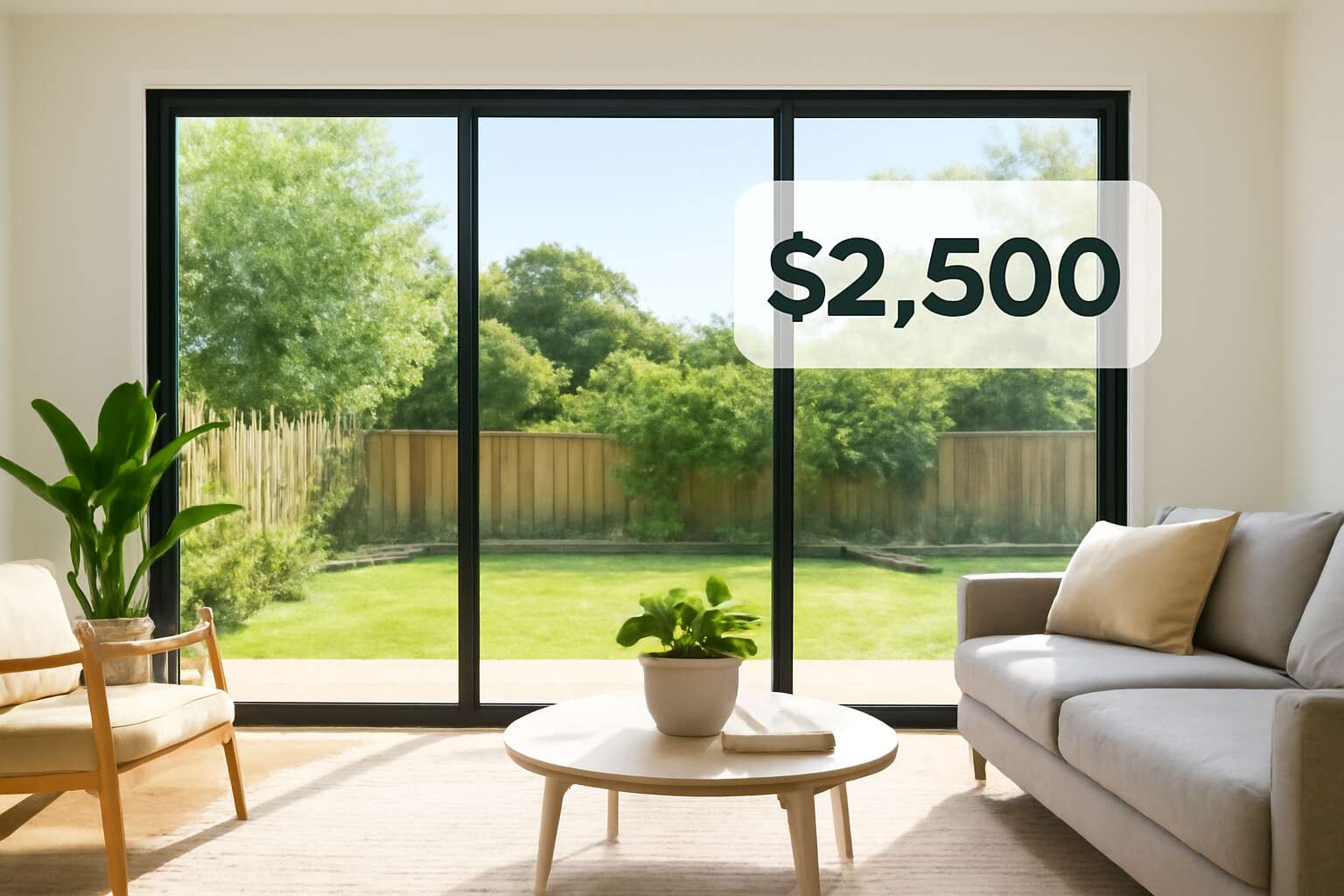
Understanding price drivers for sliding doors
Material costs and components
From sunrise to sunset, the glide of a well-made sliding door is a daily reminder that every choice costs more than a price tag. A recent SA survey finds that 62% of homeowners weigh energy savings when evaluating the cost of sliding doors.
Understanding price drivers means looking at materials and the components that hold them together:
- Frame material (aluminium, timber, or uPVC) and its finishing
- Glass and glazing (single, double, laminated, or tinted)
- Hardware, rollers, and weather seals that ensure smooth operation
- Installation realities: site prep, rail fitting, and finishing touches
These elements interact with climate, security needs, and warranty terms, shaping the final figure in the cost of sliding doors. In this market, supply volatility and local manufacturing choices color every line on the estimate, revealing that value is as much about durability and performance as about the initial tag.
Labor and installation charges
Labor and installation charges often decide the final whisper of the price tag—the part you feel when the door glides with quiet grace or grinds to a halt. In SA, the cost of sliding doors can be inflated by installation realities, sometimes a third or more, depending on site access and the skill of the fitter.
Beyond mere placement, several labor-driven realities shape the bill:
- Site access and measurement accuracy that can extend or shorten the job
- Door weight and opening size affecting handling and support needs
- Rail system setup, alignment, and secure mounting for smooth operation
- Finish work—seals, trims, and clean-up that complete the installation
Choosing the right installer with clear warranty terms can influence both peace of mind and price. The final figure for the cost of sliding doors mirrors craft, speed, and the care poured into every glide.
Hardware and accessories
In SA homes, the cost of sliding doors can hinge on hardware choices as much as the glass. A lean hardware pack might skim the budget, while premium components add character and resilience. The key is understanding what actually drives those price tags beyond the door leaf itself.
- Tracks and rollers for smooth glide
- Handles, locks, and anti-lift devices
- Seals, weather strips, and drainage accessories
- Finishes and corrosion resistance for coastal homes
Budget-friendly options trade longevity for price, whereas robust hardware promises fewer service calls and a longer life from the same door. The right mix aligns with climate, usage patterns, and desired aesthetics—shaping the true cost over time.
Customization and finishes
South Africa’s sun has a way of finding its favourite doorway, and the cost of sliding doors hides more than a sticker price. A well-chosen system can trim energy bills when paired with efficient glazing, turning a view into a lasting feature of the home.
Understanding price drivers means looking beyond the glass. Customization and finishes for climate, usage, and style will reshape the bill. The following options often shift value:
- Frame material and profile options (aluminium, timber, or hybrid)
- Glass type and insulation (double glazing, Low-E coatings)
- Finish and colour processes (powder coating, wood veneer, corrosion-resistant treatments)
Size and configuration, plus weather sealing, influence total cost as much as the leaf design. Coastal SA homes often justify premium finishes by reducing maintenance and extending life.
Warranties and aftercare costs
In South Africa, a door isn’t merely an opening—it’s a long-term partner for comfort and bills. A recent homeowner poll found that 62% say warranties influence their choice more than colour. Understanding price drivers means weighing warranties and aftercare costs as part of the cost of sliding doors. A robust warranty reduces looming maintenance and keeps parts accessible, turning what could be a pinch into reassurance.
To navigate the warranty labyrinth, consider these points:
- Warranty length and inclusions (glass, seals, and hardware)
- Service network reach and response times
- Maintenance expectations and any aftercare costs that may arise
Clear terms help align expectations with reality, a small guardrail against sun and coastal wear in SA homes.
Material options and price ranges for sliding doors
Aluminum sliding doors price range
In the heartland of South Africa, a sliding door is more than a doorway—it’s a daily companion to the sunrise and the supper table. The cost of sliding doors begins with the material you choose, shaping warmth, light, and the year-round comfort of your home.
Aluminum sliding doors price range can span from around R8,000 to R60,000 per unit, depending on size, glazing, and finish. Thicker profiles, thermal breaks, and double-glazing lift the bill, while simple anodised frames keep costs down. The right combination delivers durability with minimal upkeep.
Common value levers include:
- Frame thickness and profile geometry
- Glass type and thermal performance
- Finish options and hardware quality
Balancing the range with your climate and lifestyle helps you choose a product that ages gracefully in the African sun.
uPVC and fiberglass choices
In South Africa, uPVC sliding doors deliver affordability without sacrificing daylight, with prices typically ranging from R5,000 to R25,000 per unit depending on size, glazing, and hardware. This helps frame the cost of sliding doors for many SA homes and keeps maintenance manageable in hot climates.
Fibreglass sliding doors sit higher on the price ladder, usually from about R15,000 to R40,000 per unit. They offer greater strength and weather resistance—features that matter under South Africa’s sun and seasonal temperature swings—while still delivering smooth operation and longer-term value.
Wood and wood-look options
“Wood never goes out of style,” says a Cape Town designer, and in South Africa that tone comes with a price tag as bold as a Durban summer. The cost of sliding doors in wood and wood-look options spans from accessible to aspirational: solid timber doors typically start around R25,000 per unit and can climb past R70,000 for larger, feature-rich setups; engineered wood or veneer options sit a notch lower, roughly R12,000 to R40,000; and wood-look finishes on aluminium or uPVC frames offer a middle path, roughly R18,000 to R50,000.
- Solid timber doors (afrormosia, teak, or local pine with hardwood trim): R25,000–R70,000 per unit, size and finish dependent.
- Engineered wood or veneered options: R12,000–R40,000 per unit, with stability and cost savings.
- Wood-look finishes on aluminium or uPVC frames: R18,000–R50,000 per unit, balancing durability and style.
Whichever route you pick, the blend of natural warmth and practical durability keeps doors from merely being portals and becomes part of the room’s narrative.
Glass types and energy efficiency
When weighing the cost of sliding doors, the glass you choose can tilt the balance between form and function. In sun-scorched South Africa, a pane is more than a boundary; it’s a climate coach, shaping comfort and bills in a single breath.
Standard float glass with a light tint keeps upfront costs around R4,000–R8,000 per unit. For energy efficiency, insulated double glazing with Low-E coatings starts near R18,000–R28,000 per unit and can climb to R40,000 depending on size. Laminated or tempered options add safety and acoustic benefits, typically R12,000–R30,000 per unit.
- Low-E insulated glass: reduces heat transfer and cooling load.
- Laminated glass: enhanced safety and sound dampening.
- Tinted or reflective glass: glare control and privacy.
Impact of glazing options on cost
Sunlight is a currency your space spends daily, and a smart sliding door is the exchange rate. In South Africa, the cost of sliding doors isn’t only about upfront price—it shapes comfort and cooling bills, with energy-savvy glazing capable of trimming loads by as much as 30%!
Material choices set value and character. Aluminium frames dominate modern openings, roughly R15,000–R40,000 per unit depending on size and finish. Timber or wood-look frames offer warmth but come at a premium—R20,000–R60,000. UPVC provides a budget-friendly, energy-conscious option, around R12,000–R30,000.
- Aluminium frames
- UPVC frames
- Timber or wood-look frames
Glazing options drive the final figure. Standard float glass is around R4,000–R8,000 per unit. Insulated double glazing with Low-E starts near R18,000–R28,000 and can climb to R40,000 depending on size. Laminated or tempered variants add safety and acoustics, typically R12,000–R30,000.
Size, configuration and installation complexity of sliding doors
Door size and panel configurations
Size anchors everything, shaping light and mood. Sliding doors arrive in standard widths and heights, yet South African homes often demand custom openings to catch breezes or frame a courtyard. Configurations range from two-panel gestures to three- and four-panel arrays that stack away. The cost of sliding doors climbs with size and panel count, reflecting more material and the precision required at manufacture and fit.
- Door size increments: matching openings versus bespoke dimensions
- Panel configurations: 2-, 3-, or 4-panel layouts and stacking versus pocket options
- Thresholds and frame integration: flush sills and weather sealing
Installation complexity grows with irregular walls or sloped floors, demanding precise track alignment and airtight seals. In SA, wind loads and heat movement shape the final fit.
Track system types and hardware
“The right track can change a room in an instant,” a designer likes to say. Size, configuration and installation complexity drive the cost of sliding doors for South Africa homes.
Door openings vary: standard widths and heights exist, but many SA spaces demand bespoke sizing to catch a breeze or frame a courtyard. Two-, three- or four-panel layouts offer options that stack away or create a wide, uninterrupted opening.
- Top-hung ceiling tracks for light and visibility
- Bottom-roller tracks with precision-guided wheels
- Pocket sliding systems that hide into the wall
- Multi-track stacking for corner configurations
Installation complexity follows the space. Irregular walls and long spans require careful alignment and robust hardware. The track and hardware chosen here directly influence the final price of sliding doors, especially in wind-prone coastal areas and with heat movement across frames. That is a key driver of the cost of sliding doors.
In-swing vs out-swing considerations
Size, configuration and installation complexity can make or break a sliding door project. In South Africa, bespoke sizing is common to catch a breeze or frame a courtyard, but it nudges the budget higher. Two-, three- or four-panel layouts offer flexibility: panels stack away for a wide opening or glide neatly to one side. In-swing doors tuck inside the room; out-swing doors invite the outdoors and can widen the perceived space. Get these choices right, and the joy of moving air replaces the sigh of drafts—though it does influence the cost of sliding doors.
- Clearance for interior and exterior traffic flows
- Structural support for long spans
- Wall recess depth and frame tolerance
- Security hardware and sealing considerations
All told, size, configuration and installation complexity shape the cost of sliding doors in SA homes.
Framing and opening preparation
Framing and opening preparation set the stage for any sliding door—and they quietly determine the cost of sliding doors. Precise rough openings, true plumb jambs, and a level sill keep panels from binding and gapping. Inconsistent prep balloons install time and material waste, turning a straightforward job into a budget buster and a draft-prone misadventure.
- Rough opening tolerances must be controlled to within millimetres for perfect track alignment
- Frames need to be plumb and square so sashes glide smoothly rather than seize
- Track and sill integration should accommodate drainage and pressure differences without distortion
With South Africa’s penchant for bespoke sizing to frame a courtyard breeze, ensure wall recess depth and frame tolerance are nailed in during planning. A measured approach preserves effortless operation and airy aesthetics while keeping the project financially sensible.
Pocket or in-wall installations
Size and configuration set how smoothly a door glides. Pocket or in-wall installations demand a cavity depth that anticipates the track and sill—without crowding the reveal. A misjudged opening leads to binding or gapping, and a rushed cavity can balloon install time. In South Africa’s market, bespoke courtyard sizing is common, so the opening often dictates performance and the early budget picture. The right fit keeps operation effortless and space airy.
- Pocket installations require precise cavity depth and a true flush reveal
- In-wall setups demand additional studs and careful water drainage planning
- Hidden tracks complicate drainage and future maintenance access
Considering pocket or in-wall options clarifies installation complexity and helps stakeholders forecast maintenance needs once the doors settle in. The choice affects wall preparation, drainage planning, and future access for service, all of which influence the overall cost of sliding doors in the project budget.
Regional factors, market trends, and budgeting for sliding doors
Regional labor rates and material availability
South Africa’s sliding-door market behaves like a Cape wind—unpredictable, spirited, and surprisingly influential on wallets. A solid install isn’t just about looks; it’s a dialogue with local supply, climate, and tariffs that shift faster than fashion.
Understanding the cost of sliding doors requires mapping regional labor rates and material availability. In Gauteng you might see quicker install windows, while coastal areas wrestle with transport delays and stock shortages. Here are the regional factors that actually move the price needle:
- Regional labor rates and availability
- Material supply and import lead times
- Local manufacturing vs imports and delivery windows
Market trends lean toward aluminum frames for durability and low maintenance, with designers chasing energy-efficient glazing. Budgeting should include installation contingencies and potential upgrades; in SA, a cushion of 10–15% is sensible as supply lines tighten. Readers will appreciate the clarity!
Permits, codes, and energy compliance costs
Sliding doors carry more than shade and view; they cradle possibility. In South Africa, the cost of sliding doors is braided with climate, tariffs, and supply whims—a beautiful tangle that rewards with lasting light.
Regional shifts push the price needle: Gauteng’s brisk install windows, coastal routes facing transport snags, and stock rhythms that reshape timelines and budgets. The result is a living map where price follows circumstance.
Market trends lean toward aluminum frames for durability and low maintenance, with glazing choices chasing energy performance.
- Permits and inspections required by municipalities
- Energy performance certificates where applicable
- Local by-law and eco-standard compliance
Budgeting, as observed in the market, reflects this geography, with a cushion of 10–15% appearing as supply lines tighten. The overall cost of sliding doors benefits from clarity on permits, codes, and energy compliance costs.
Supply chain impacts on pricing
Prices move like weather: ‘Supply chains are a fabric; pull one thread and the whole pattern shifts,’ a supplier notes. In South Africa, the cost of sliding doors tracks climate, tariffs, and transport whims—a braided, living map that rewards readers who watch circumstance. Regional shifts push the price needle: Gauteng’s brisk install windows, coastal routes facing transport snags, and stock rhythms that reshape timelines and budgets.
- Urban versus rural labor access affects job pace
- Freight costs, port delays, and fuel prices
- Seasonal stock cycles and supplier lead times
Market trends lean toward aluminum frames for durability and low maintenance, with glazing choices chasing energy performance. When evaluating the cost of sliding doors, budgeting hinges on regional dynamics and supply timing, balancing price with light and view. The payoff is lasting light, even as features like larger panels or enhanced glazing tilt budgets!
Energy efficiency incentives and rebates
Regional dynamics in South Africa shape the cost of sliding doors more than any catalog promises. Gauteng’s swift install cycles meet busy distribution hubs; coastal routes endure transport snags; and small-town stock rhythms redraw timelines and budgets. The cost of sliding doors becomes a braided map, shifting with each regional pulse.
Market trends favor aluminum frames for durability and low maintenance, with glazing choices chasing energy performance. Energy efficiency incentives and rebates from municipal and national programs can soften the sticker, nudging value without erasing price.
Budgeting becomes a careful equation: regional labor rates, lead times, and incentive timing all intersect with the appetite for larger panes and higher glazing performance. The payoff is lasting light and lower running costs when timing and climate align with supply—cost of sliding doors evolves with seasons and delivery schedules.
Long-term maintenance and lifecycle costs
That door isn’t just a portal—it’s a tiny economic weather system. In South Africa, the cost of sliding doors shifts with regional rhythms: Gauteng’s brisk install cycles, coastal transport snags, and small-town stock fluctuations all tilt the budget. Plan for the long game: seals, tracks, and hardware wear rarely appear on the first invoice.
Market trends favour aluminum for durability and larger glazing for light—yet the long-term cost hinges on finishes that resist sun and humidity. Energy rebates can soften the sticker, but real value comes from predictable maintenance cycles and a door that keeps its performance year after year.
Budgeting becomes a lifecycle forecast: anticipate service windows, travel charges, and periodic seal or coating refreshes. Consider these lifecycle levers:
- Seals and weatherstripping refresh intervals
- Hardware wear and hinge alignment
- Finish longevity and coating upkeep
- Glass seal and spacer integrity
- Travel and installation scheduling for maintenance

0 Comments